
The 10 best spread betting platforms in the UK, ranked for 2026
 Available in US
Spread betting is the part of the sports book that punishes underestimating it. A losing fixed-odds bet costs the stake; a losing spread bet costs the stake multiplied by every unit the result misses by. That single arithmetic difference is the reason this guide starts with what follows from a position, not with which firm looks most attractive in its banner. A platform that lets the bettor buy a cricket runs spread at 350 and the side bowls out for 220 takes £130 per £1 staked, before any “risk-free” wording earns its keep.
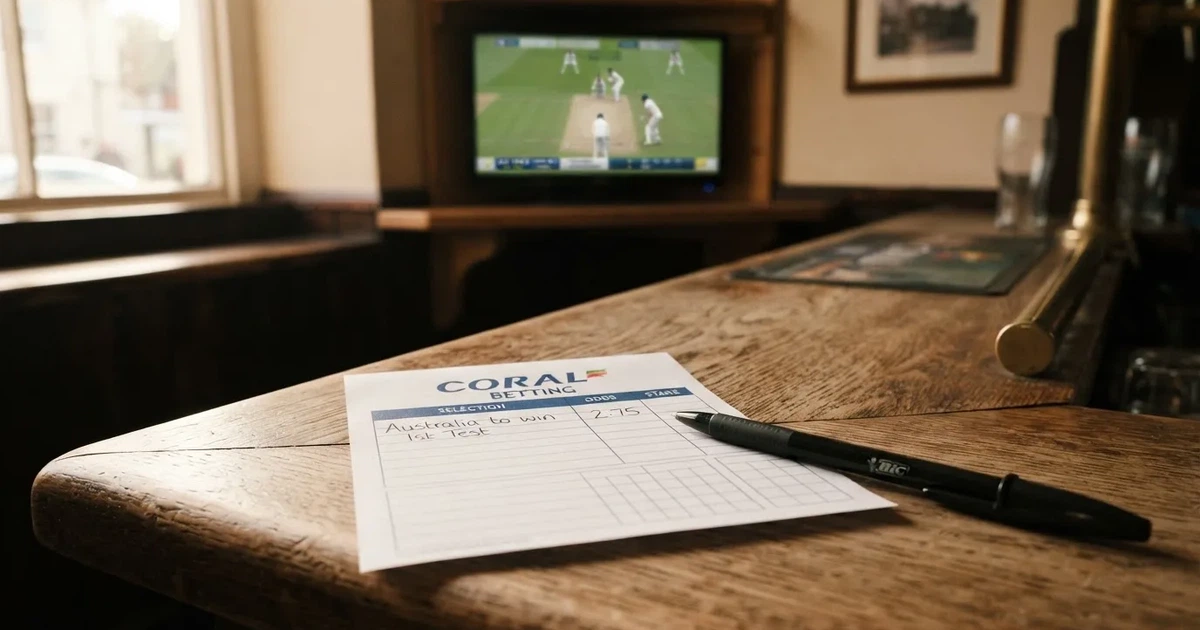
This page ranks ten UK-licensed spread betting and fixed-odds platforms on what they actually deliver to a bettor who already understands the difference between buying and selling a spread. Every figure below comes from the operators’ own terms or the Gambling Commission’s public register. Currency is in pounds, dates in British form, and odds in decimal unless otherwise stated. The lead is honesty about exposure: a £10 spread bet at £5 a point either wins a few pounds or loses £50, and the platform that lets you place it is the one that has to be right about whether you should have been allowed to try.
Current as of 26 October 2026 — checked against the Gambling Commission’s public register and each operator’s published terms.
How a spread position turns into a number on the page
A spread betting platform quotes two numbers, a low and a high, on a market like the number of runs a cricket side will score or the goals in a football match. Buying the spread means the bettor is wagering that the result will land above the higher number; selling means wagering it lands below the lower one. The distance between the bet level and the result, in units, is multiplied by the stake. That is what makes spread betting fundamentally unlike a fixed-odds bet: the size of the win or loss is not fixed at the moment the bet is placed.
A cricket run-spread example makes this concrete. A platform quotes 340–350 runs on a side’s innings; the bettor buys at 350 for £1 a point. If the side makes 400, the position wins 50 × £1 = £50. If the side is bowled out for 300, the position loses 50 × £1 = £50. The stake at risk at the moment of placing is the maximum loss if the result lands at the far end of the spread — not the £1 the bettor typed into the stake box. The platform has no obligation to soften that, and a “risk-free” promotion covers a fixed-odds bet, never a spread position with an open-ended downside.
Selecting the right spread market
Selection begins with what the bettor can actually model. Cricket run totals, football total-goals markets, horse racing Supremacy markets and rugby performance markets all have well-documented historical distributions that make the spread beatable in theory and punishing in practice. Markets that quote spreads on outcomes with little public data — novelty player markets, custom bet builders — are where the platform’s quoted spread sits widest and the bettor’s edge sits thinnest.
The next selection check is liquidity. Spread betting firms size their quotes on incoming order flow. Major televised football matches get tight quotes; lower-division reserve matches, women’s football and most non-football sports come with wider quotes and bigger stop-out distances. A platform that lists 200 markets and quotes tight spreads on 20 of them is, in practice, a 20-market bookmaker with 180 placeholders. Look for which sports the platform actually prices, not which sports the homepage advertises.
The third check is the make-up on a zero outcome. North American point-spread betting refunds the stake when the result lands exactly on the spread; UK sports spread betting typically settles the position at zero and takes the spread as the platform’s edge. That difference matters most on markets like Supremacy in big fields, where a horse landing on the quoted favourite margin is plausible.
Fundamentals of the spread betting mechanic
Three mechanics govern every spread bet. The first is unit sizing: each market carries an implied unit price (a run, a goal, a length, an index point), and the platform states the per-unit stake separately. The second is the stop-loss: most platforms allow the bettor to set a closing order that ends the position at a stated loss, but the order is only triggered when the platform’s price crosses the trigger, and a fast-moving market can gap through it. The third is the margin call: financial spread betting (regulated by the Financial Conduct Authority, not the Gambling Commission) requires collateral of around 5–10% of total exposure, and losses are not capped by a single stake.

In North American point-spread betting a result landing exactly on the spread is a push and the stake is refunded; the standard price is 10 to 11 (-110), so a £100 win pays £90.91 in profit. UK sports spread betting, by contrast, has no built-in price; the spread itself is the platform’s margin, and the closer the result lands to the bet level, the more the platform wins on the units difference. This is the mechanic that makes “best odds” language on a sports spread betting platform almost meaningless: there are no odds, only a spread, and a tighter spread is the same thing as a better price only if the result lands where the bettor expects.
A walkthrough of placing a football total-goals spread bet
The sequence on a Premier League match typically runs as follows. The platform posts a total-goals spread — say 2.4–2.7 — in the hours before kick-off. The bettor decides whether the match will go over the higher number (buying) or under the lower number (selling). A £5-a-point buy at 2.7 pays £5 for every goal above 2.7 in the final score. A 3–1 result (4 goals) wins £5 × (4 − 2.7) = £6.50. A 1–0 result (1 goal) loses £5 × (2.7 − 1) = £8.50. The same match on a fixed-odds over-2.5 line at 1.91 either wins £0.91 per £1 or loses £1.
The settlement is at full time plus stoppage time unless the market specifically states otherwise. Extra time and penalties are separate markets. Cash-out on a spread position, where offered, closes at the platform’s then-current quote, which may be wider than the spread at kick-off. The football spread bettor who needs to leave early pays for the convenience.
Strategies and what they cost when they go wrong
A spread betting strategy is a claim about where a result will land relative to a number. The claim’s edge comes from information the platform has not priced in: a cricket pitch that flattens after lunch, a football side playing a third match in seven days, a horse whose trainer has switched to front-running tactics. Where that edge does not exist, the spread is the platform’s edge, and the bettor’s job is to find markets where the edge does exist.
Strategies that depend on calibrated forecasts
Cricket run-total strategies are the cleanest example. First-innings totals in Test cricket cluster around team strength, pitch behaviour and weather, and the closing spread at the toss reflects all three. A bettor with a model that prices each factor separately can find value against a platform that quotes a single composite spread. The cost of being wrong is set by the unit price and the unit difference — there is no ceiling. A £5-a-point buy at 350 that loses because the side is bowled out for 200 costs £750. The same bettor, on a fixed-odds line, would have lost £5.
Football total-goals strategies work the same way on lower-scoring leagues. Ligue 1, the Scottish Premiership and the Championship have higher variance in match totals than the Premier League, and a bettor who prices that variance correctly can sell unders at quotes that look generous. The danger is the late goal: a 0–0 match that becomes 1–0 in the 89th minute swings a winning sell position to a small loss, and a 0–0 that becomes 2–0 in added time swings it to a substantial loss.
Horse racing Supremacy strategies depend on pace maps and sectional data. A horse whose trainer has switched to patient tactics in a small field has a longer winning margin than the market expects if the race falls apart in the final furlong. Selling the favourite at a short Supremacy quote, betting that the favourite wins by less than expected, pays out when the favourite still wins but by a shorter distance — and costs the bettor if the favourite wins by a longer distance or loses. The strategy is sound only if the bettor’s pace map is more accurate than the one the platform has priced into the spread.
Bankroll rules the strategies need
The bankroll rule for spread betting is the same as for any leveraged position: risk a fixed percentage of bank on each bet, defined as the maximum possible loss, not the stake. A bettor with a £1,000 bank risking 2% per position opens no position where the maximum loss exceeds £20. That rule is what keeps a bad week from ending a bankroll. Without it, a single cricket spread bet that goes the wrong way does what a hundred losing fixed-odds bets would take months to do.
The second bankroll rule is to stop after a daily loss limit. A spread bettor who chases losses into a wider market — a lower-division reserve match with a wide spread and no liquidity — is paying the platform’s spread on markets the platform has not had to price tightly. The drawdown compounds faster than the bettor expects. Stop after a fixed loss, rest, return the next day.
The third rule is to keep a written record. Each bet, the market, the spread at the time of placement, the result, the profit or loss in pounds. Without that record, the bettor cannot tell whether the strategy is winning or whether the bankroll has simply survived a lucky run. A spread betting strategy that looks like it works over twenty bets may be losing over two hundred, and only the record shows it.
What settles and what does not
Settlement is the part of spread betting that the marketing copy skips over. A fixed-odds bet settles once at full time; a spread position settles over the duration of the event, and the figure the platform settles on depends on the rule the platform applied.
Settling sports spread positions
Cricket run-spread positions settle on the final innings total. Declared innings, follow-on and forfeited matches have specific platform rules that vary by operator. A bettor who buys a first-innings runs spread and the captain declares with two overs remaining accepts that the declared total is what was returned, not what the side might have scored with twenty more overs. A bettor who sells the same spread on a rain-affected match where the Duckworth-Lewis-Stern calculation applies accepts the DLS par score as the result. The DLS-adjusted number is rarely the number the bettor priced.
Football total-goals positions settle on full-time score including stoppage time. A 2–1 match that becomes 3–1 in the 93rd minute wins the over-buy at 2.7 by £5 × (3 − 2.7) = £1.50, and a 2–1 that becomes 2–2 wins nothing. Extra time and penalty shootouts do not count unless the market specifically states otherwise. Cup matches that go to extra time are the textbook case where a spread bettor thinks the position is open and the platform has already closed it.
Horse racing Supremacy positions settle on the official distance at the finish. Dead heats split the position according to the platform’s dead-heat rule; a dead heat for the winner on a sell position is a worse outcome than a clear winner by half a length. Non-runners void the position and return the stake, but only if the bet was struck before the non-runner declaration. A bettor who places a Supremacy position five minutes before the off and a horse is withdrawn at the start pays the spread on the field that runs, which may be a much weaker favourite than the one the spread was priced against.
Settling market-margin positions
Market-margin positions — index spreads, sports index spreads, season performance spreads — settle on the platform’s stated index calculation. The Sporting Index Race Index, for example, settles on a weighted formula the platform publishes in its market rules. The bettor who buys the Race Index without reading the formula has bought something whose value is set by a rule the bettor has not seen. Every platform publishes its market rules; a spread bettor who skips them is paying for the bettor who does not.
Sports and tournaments the platforms actually price
Spread betting platforms price some sports tightly and others loosely. The sports they price tightly are the ones their own traders can model and the ones that attract the most order flow. Football and horse racing sit at the top of both lists; lower-tournament football, women’s football and most non-British sports sit lower.
Football and the Premier League
Premier League matches attract the tightest spreads on any UK spread betting platform. Total-goals markets, Supremacy markets and corners markets all price to within a few percentage points of the consensus view. Lower-division English football, Scottish Premiership football and most European football price wider. A platform that lists 200 football leagues and quotes tight spreads on 30 of them is, in practice, a 30-league football book with 170 placeholder leagues. Look for the leagues where the spread sits inside what the bettor’s own model produces.
Cup football — FA Cup, League Cup, Champions League knockout ties — prices tighter as the match approaches. A Tuesday Champions League knockout tie quoted at 250 spreads four hours before kick-off has typically narrowed to 200 by kick-off, because the platform and the betting exchange have both moved on team news and expected line-ups. The bettor who buys early accepts a wider spread for the chance to bet on news that may not have broken; the bettor who waits accepts a tighter spread for the chance to bet against the platform’s priced view.
Cricket and the international calendar
Test cricket, One Day Internationals and T20 internationals all carry run-spread markets on the major UK platforms. County Championship cricket, the Big Bash League and the Indian Premier League price wider and settle on platform-specific rules that vary by operator. The Hundred, the ECB’s short-form competition, prices tighter than other domestic T20 leagues because the platform’s order book is concentrated.
A cricket spread bettor’s edge comes from pitch reports, weather forecasts and team selection — three variables the platform has priced into the spread at the toss but which a bettor with a sharper model can re-price. The cost of being wrong is set by the unit price and the distance between the bet level and the result, and the platform will not negotiate the unit price after the bet is placed.
Horse racing and Supremacy markets
Supremacy is the spread betting market on how far the winner will win by, expressed in lengths. The favourite in a competitive handicap races at a small Supremacy figure, often 0–1 lengths; the favourite in a two-horse Grade 1 races at a longer figure, often 4–8 lengths. The market the spread bettor trades is the discrepancy between the platform’s Supremacy spread and the bettor’s pace-map model. The danger is the horse that breaks the pace-map model — a 20/1 shot that runs the race of its life and wins by six lengths, swinging a sell position into a heavy loss.
Festival meetings at Cheltenham, Aintree, Royal Ascot and Goodwood attract tighter spreads than ordinary weekday fixtures. The bettor who places Supremacy positions on Saturday morning prices against a market that has had all week to settle. The bettor who places the same positions on weekday all-weather meetings prices against a market that is wider and less informed.
Other sports the platforms price
Rugby union and rugby league carry point-spread and total-points markets on most UK platforms. Six Nations matches price tighter than English Premiership club matches; Super Rugby and the southern-hemisphere competitions price wider. Tennis carries game-spread markets on the major tournaments and not on the lower-tier events. Golf carries round and tournament position markets on the majors and the PGA Tour; smaller tours are typically unpriced.
Basketball and American football carry North American-style point-spread markets, where the result landing on the spread is a push and the stake is refunded. The standard price is 10 to 11 (-110), so a £100 win pays £90.91. UK platforms that quote NBA and NFL spreads settle in pounds at the standard American price. The market is the same market a US bettor prices, but the platform adds its own margin into the spread.
Spread betting in the UK: what the licence means and what it does not
UK sports spread betting sits inside the same regulatory frame as fixed-odds betting: the Gambling Act 2005 and the Gambling Commission licence. Financial spread betting sits inside a different frame: the Financial Conduct Authority and the Financial Services and Markets Act 2000. The two regimes cover different products, and a platform licensed for one is not automatically licensed for the other.
Statute and the two regulators
The Gambling Commission licenses fixed-odds bookmakers and sports spread betting firms offering bets on real events. The categories the Commission publishes are remote general betting standard (real events), remote general betting standard (virtual events), remote general betting limited, remote pool betting and remote betting intermediary (the betting exchange licence). A platform offering sports spread betting on football, cricket and horse racing holds a remote general betting standard (real events) licence, and that licence covers both fixed-odds and spread betting on those sports.

Financial spread betting on indices, shares, FX and commodities is regulated by the Financial Conduct Authority under FSMA. A firm holding only an FCA licence cannot legally offer sports spread betting to a UK customer; a firm holding only a Commission licence cannot legally offer financial spread betting. Spreadex holds both, which is why it appears on both registers; most of the platforms in this ranking hold only the Commission licence and offer only sports spread betting.
The statute framework means that a UK customer placing a sports spread bet is dealing with a Commission-licensed platform for the betting and the betting duty. The customer pays no tax on winnings. The platform pays General Betting Duty on its gross profits from general betting (currently 15%, with a new remote betting rate of 25% from 1 April 2027 on remote bets that do not fall within one of the carve-outs). Spread betting has its own rates — 3% on financial bets, 10% on other bets — and those are the operator’s taxes, not the customer’s.
How to check a bookmaker’s licence
The Commission’s public register can be searched by business name, trading name, domain or account number. The register entry lists the licence categories the firm holds, the trading names it operates under and the operating company that holds the licence. Several brands can run under one licensee — Ladbrokes and Coral both run under LC International Limited; Paddy Power and Betfair both run under PPB Counterparty Services — so a brand name alone is not proof of a separate licence.
Every brand in the ranking below is licensed by the Commission for remote general betting standard (real events), and every brand runs under a GB company or a Gibraltar company that holds the Commission account. The licence number beside each brand is the one to enter into the Commission’s register. A platform that cannot be found on the register — and unlicensed offshore brands cannot, because they do not hold Commission licences — is not licensed to take bets from GB customers, and a customer of such a brand has no Commission complaints route, no GAMSTOP coverage and no approved dispute-resolution body.
Verification, credit cards and payments
Commission rules require identity verification before a customer can deposit or gamble, including with a free bet or bonus. The verification covers name, address and date of birth, and has applied since 7 May 2019. A GB-licensed platform cannot accept anonymous play, and a bettor who wants to remain anonymous cannot use a GB-licensed platform.
Credit cards have been banned for gambling in Great Britain since 14 April 2020, including credit-card-funded payments through an e-wallet. Debit cards and bank-based payments are not covered by that ban. Cryptocurrency deposits are not banned by statute, but GB-licensed platforms typically do not accept them because the source-of-funds checks the platform is required to run do not extend cleanly to crypto wallets.
Spread betting as a financial product
Financial spread betting on shares, indices, FX and commodities is regulated by the FCA, not the Commission. The FCA’s regime requires collateral of typically 5–10% of total exposure, allows losses larger than the deposit and treats the bet as a contract for difference rather than a bet. FCA-regulated firms must be covered by the Financial Services Compensation Scheme in some circumstances and must comply with FCA conduct rules on disclosure and best execution.
A customer of an FCA-regulated firm placing a sports spread bet is dealing with a different product under a different licence. The two regimes do not communicate; the FCA does not cover sports spread betting, and the Commission does not cover financial spread betting. A platform licensed by both — Spreadex again — operates two separate businesses with two separate sets of consumer protections.
The top 10 spread betting platforms in the UK, ranked
The ranking below orders UK-licensed platforms by what they deliver to a spread bettor: the markets they price tightly, the cost of a spread position, the licence, and what their own terms state about the platform’s subject. Every brand holds a Commission remote general betting standard (real events) licence. Every brand can be found on the Commission’s public register under the account number listed. The table is the headline; the write-ups underneath it are the verdict.
| Brand | Gambling Commission licence | Licence holder | What the operator’s own terms state |
|---|---|---|---|
| Spreadex | 008835-R-104580-022 | Spreadex Limited | Spread betting losses can exceed the deposit; FCA-regulated for financial spread betting |
| Sporting Index | 027343-R-308898-011 | Sporting Index Limited | Spread betting firm; new-customer free bets and spread bets subject to qualifying bet terms |
| Coral | 054743-R-330863-014 | LC International Limited | Fixed-odds bookmaker with Cash Out, Bet Builder and live streaming; spread betting not core |
| Sky Bet | 067370-R-341330-005 | SBG Sports Limited | Fixed-odds bookmaker with Super Boost, Request-a-Bet and live streaming; spread betting not core |
| Dabble | 065677-R-340363-005 | Dabble Sports UK Ltd | Fixed-odds bookmaker with social betting features; spread betting not core |
| Swifty Sports | 058957-R-334734-006 | Swifty Global (UK) Ltd | Fixed-odds bookmaker with Best Odds Guaranteed, Cash Out and live streaming; spread betting not core |
| Betfred | 039544-R-319290-010 | Petfre (Gibraltar) Limited | Fixed-odds bookmaker with Bet Builder, Sub Switch, Racing Post data and Extra Places; spread betting not core |
| Lottoland | 038991-R-319408-020 | EU Lotto Limited | Lottery-led platform with sports and casino; spread betting not core |
| 888sport | 039028-R-319297-014 | 888 UK Limited | Fixed-odds bookmaker with Cash Out, Bet Builder and boosted odds; spread betting not core |
| VBet | 044662-R-324273-022 | SCGO Limited | Fixed-odds bookmaker with Bet Builder, live streaming and live calendar; spread betting not core |
The honest read of this table is that two platforms — Spreadex and Sporting Index — offer sports spread betting as a core product. The other eight offer fixed-odds betting and various ancillary features; they are ranked here because a searcher for “spread betting platform UK” meets them in every comparison, not because they offer the product the search describes. A bettor who wants a cricket run-spread market in the morning needs Spreadex or Sporting Index; a bettor who wants a tightly priced Premier League total-goals market and the option of a fixed-odds bet on the same match can use either.
Spreadex — the platform that does both
Spreadex is the only UK platform in this ranking that is regulated by the Financial Conduct Authority for financial spread betting and by the Gambling Commission for fixed-odds and sports spread betting. The dual regulation means a Spreadex account can place a sports spread bet on a Premier League total-goals market, a fixed-odds bet on the same match, and an FCA-regulated spread bet on the FTSE 100, all from the same login. The Spreadex new-customer offer is £60 in free bets for a £10 fixed-odds bet, with the free bets usable across fixed odds and spread betting, and the qualifying bet must be placed within 28 days of opening the account. The qualification is a fixed-odds bet, not a spread bet, which means a new customer who intends to place only spread bets must place a fixed-odds bet first to qualify.
The platform’s own terms state that spread betting losses can exceed the deposit, which is the FCA’s required risk warning and the Commission’s words on a regulated product. The platform quotes spreads on football, horse racing, cricket and rugby, and the spreads tighten on Premier League football and Grade 1 horse racing as kick-off approaches. The unit prices are stated per market. A bettor using Spreadex for sports spread betting accepts that the same account also offers financial spread betting, and that the FCA’s required disclosures (collateral calls, no guaranteed stop-losses) apply to the financial book.
For a bettor who wants both sports spread betting and fixed-odds betting from one account, Spreadex is the only platform in the ranking that delivers both. For a bettor who wants only sports spread betting, Spreadex is the most complete offer alongside Sporting Index. The dual regulation cuts both ways: the FCA regime is stricter than the Commission’s regime on consumer protections, and a customer who reads the FCA’s required risk warnings before opening the account is a customer who understands the product.
Sporting Index — the spread betting specialist
Sporting Index is the UK’s other dedicated sports spread betting firm, and the platform that most directly competes with Spreadex’s spread book. The new-customer offer is a £10 fixed-odds bet at minimum odds of 1/2 that unlocks three £10 fixed-odds free bets, three £5 Total Goals spread bets, three £5 Winning Favourites spread bets and a £1 Race Index spread bet. The qualifying bet cannot be placed in play or cashed out early, and the platform’s terms state the qualifying bet separately from the spread bet bonuses that follow.
The spread bets in the offer illustrate what the platform does well. Total Goals is the firm’s flagship Premier League football market; Winning Favourites is the firm’s flagship horse racing market; Race Index is the firm’s flagship horse racing index market. Each is a market the platform has priced for years and on which the platform quotes tight spreads against the order flow. The £1 Race Index spread bet in the welcome offer is small enough that a new customer can try the index calculation without taking a meaningful position.
Sporting Index’s sole focus on spread betting means its product set is narrower than a fixed-odds bookmaker’s: no bet builder, no acca insurance, no boosted odds on a 14-fold. What the platform does offer is a deeper set of spread markets than any of the other platforms in the ranking, and a tighter quote on those markets because the order flow is concentrated. For a bettor who wants spread betting as the core activity and fixed-odds betting as a side bet, Sporting Index is the cleaner offer than Spreadex. The trade-off is the absence of FCA-regulated financial spread betting on the same platform.
Coral — the fixed-odds heavyweight with a thin spread book
Coral is one of the largest fixed-odds bookmakers in Great Britain and runs under LC International Limited alongside Ladbrokes. The sports welcome offer is £40 in free bets when the customer bets £20, with the free bet issued within 7 days and expiring 7 days after issue, for new GB customers who opt in. The minimum odds are 2.0 (1/1), and the qualifying bet cannot be placed in play.
Coral’s spread betting offering is limited. The platform lists a small number of sports spread markets — Supremacy on selected horse racing meetings, Total Goals on selected Premier League matches — and the spreads on those markets are wider than Sporting Index’s or Spreadex’s. The platform’s strength is fixed-odds betting: pre-match and in-play markets on football, horse racing, tennis and a wide range of other sports; Bet Builder; live streaming on racing; Cash Out on selected markets. A bettor who wants spread betting as an occasional side bet on a Saturday football match will find Coral adequate; a bettor who wants spread betting as the main product will not.
The Coral ranking in this list is for completeness, not because Coral offers a spread betting platform in the sense the search describes. A bettor searching for the “best spread betting platform UK” who lands on Coral’s homepage will find fixed-odds betting, not spread betting, and will need to navigate to the spread section to see the limited markets on offer. For the bettor who also wants a full fixed-odds bookmaker on the same account, Coral is one of the most established GB brands.
Sky Bet — the fixed-odds operator with a polished app
Sky Bet runs under SBG Sports Limited and is the fixed-odds arm of the Sky Betting and Gaming group. The welcome offer for new customers is £30 in free bets, credited as three £10 free bet tokens after a deposit of at least £5 and a first single or each-way bet of at least 5p at odds of 1/1 or greater. The stake-not-returned qualifier on the free bets is the standard fixed-odds shape.
The platform’s spread betting offering is similarly thin to Coral’s. Sky Bet’s strengths are the Super Boost promotions, the Request-a-Bet feature, the live streaming on football and the polished mobile app. The platform does not price a deep sports spread book. A bettor who wants a clean fixed-odds experience with strong in-play football coverage will find Sky Bet among the best of the GB-licensed platforms; a bettor who wants spread betting as the main product will not.
Swifty Sports — the small fixed-odds bookmaker with a growing feature set
Swifty Sports runs under Swifty Global (UK) Ltd and offers Best Odds Guaranteed, Cash Out on markets including horse racing and football, daily price boosts, live streaming and in-play betting. Bet Builder is listed as coming soon. The platform’s market depth is thinner than the larger GB bookmakers — fewer sports, fewer in-play markets per match — but the prices on the markets it does offer are competitive.
The platform’s spread betting offering is not part of the core product. A bettor who wants spread betting will not find it on Swifty Sports. The platform is in this ranking because it appears in spread betting platform comparisons as a fixed-odds alternative, and because the operators’ own terms cover the platform’s full product set, not a subset.
Betfred — the high-street name with a full app
Betfred runs under Petfre (Gibraltar) Limited and operates one of the largest UK betting shop estates alongside the online and app platform. The app features Bet Builder, Sub Switch, Racing Post data, Extra Places, live casino and bingo. The sportsbook covers football, horse racing, tennis, golf and a wide range of other sports with pre-match and in-play markets.
The platform’s spread betting offering is similarly limited to Coral’s and Sky Bet’s. The Betfred brand is associated with Lucky 15 bonuses on horse racing and Extra Places on big-race fields, not with sports spread markets. A bettor who wants the high-street-name security of a Betfred account for fixed-odds betting and is curious about spread betting will need to use Spreadex or Sporting Index in parallel. For the bettor who wants only fixed-odds betting on a GB-licensed platform, Betfred is among the strongest.
Lottoland — the lottery-led platform with a sports book
Lottoland’s UK platform runs under EU Lotto Limited and combines casino, lottery betting, sports betting and scratchcards. The platform’s strength is lottery betting on international draws, which is the core product. The sportsbook covers football, horse racing and a smaller range of other sports, with pre-match markets and a thinner in-play offering than the dedicated sportsbooks.
Spread betting is not an active product here. Lottoland features in this list as a UK-licensed site that surfaces in comparisons, yet its service focuses primarily on lotto-style games. Those seeking spread-based markets should look elsewhere, while customers wanting a combined lottery and basic sports interface may find the setup sufficient.
888sport — the established brand with a full feature set
888sport runs under 888 UK Limited and offers pre-match and in-play betting, Cash Out, Bet Builder, racing streams, BetFinder form tools, a live bet feed and daily boosted odds. The sportsbook covers football, horse racing, tennis and a wide range of other sports. The platform’s strengths are the BetFinder form tool, the racing streams and the boosted odds.
Spread betting markets are excluded from this operator’s primary sportsbook. 888sport is included here for the same reasons as Coral and Sky Bet: it is a prominent, licensed fixed-odds bookmaker that frequently appears in industry comparisons. Readers looking for spread markets will not find them here; however, those prioritizing a mature, feature-rich fixed-odds app will likely appreciate the established brand.
VBet — the smaller bookmaker with live streaming and a live calendar
Vbet’s UK platform runs under SCGO Limited and offers Bet Builder, pre-match and in-play betting, live streaming and a live calendar with results and stats. The platform’s strengths are the live streaming and the live calendar, both of which serve a bettor who wants to watch and bet on the same match. The sportsbook covers football, horse racing and a smaller range of other sports.
This operator does not offer spread betting markets. VBet is ranked alongside other fixed-odds providers because it is a licensed UK platform often cited in market comparisons. It remains a poor choice for spread bettors, though customers interested in its live streaming and calendar tools may find the experience fits their needs.
Dabble — the social betting platform
Dabble runs under Dabble Sports UK Ltd and is one of the newer entrants to the GB-licensed fixed-odds market. The welcome offer is “Bet £10, Get £10 in Free Bets” on a first deposit for new customers, with minimum odds applying, a 7-day free bet expiry and the stake not returned. The platform’s distinctive feature is its social betting layer, which lets customers copy the bets of other customers and follow tipsters.
The platform’s spread betting offering is not part of the core product. Dabble is in this ranking because it is a UK-licensed fixed-odds platform with a polished social feature. A bettor who wants spread betting will not find it on Dabble. A bettor who wants a social betting layer alongside fixed-odds markets will find Dabble distinctive among the platforms in this ranking.
Calculation: what the bookmaker keeps from a spread market
The bookmaker’s margin is the share of every pound bet on a market that the bookmaker keeps, on average, across all outcomes. For a two-way market at decimal odds 1.90 / 1.90, the payout share is 1 ÷ (1/1.90 + 1/1.90) = 1 ÷ (0.5263 + 0.5263) = 1 ÷ 1.0526 = 0.95, so the margin is 1 − 0.95 = 0.05, or about 5%. The implication for the bettor is that the bookmaker keeps 5p of every £1 bet on this market, on average, across all outcomes. A £100 bet on this market returns, on average, £95 across all outcomes, and the difference — £5 — is the bookmaker’s gross profit before duty, marketing and operating costs.
For spread betting markets, the margin is hidden inside the spread rather than expressed in odds. A football total-goals spread quoted at 2.4–2.7 has a midpoint of 2.55; if the platform’s true expectation of the total is 2.55, the spread sits symmetrically around it and the platform makes the difference between the result and the bet level, multiplied by the stake, on every outcome. On a £5-a-point buy at 2.7, the platform wins £5 × (4 − 2.55) = £7.25 on a 4-goal result, the bettor wins £6.50, and the platform’s edge is £0.75. On a 2-goal result, the bettor loses £7 and the platform keeps the full £7 — the spread’s midpoint is the platform’s expectation, and every result below 2.55 produces a platform win on the buy side.
The honest framing is that the margin is real and it is paid by the bettor on every settled position. The 5% margin on a fixed-odds market is not identical to the margin inside a sports spread, because the spread bettor’s loss is not capped at one stake and the spread’s midpoint is a more visible signal of the platform’s expectation than the implied probability of a decimal odds line. The bettor’s edge, when it exists, comes from information the platform has not priced into the spread.
Responsible gambling and what the platforms have to do
The Commission’s player-protection regime applies to every brand in this ranking. GAMSTOP is the national multi-operator online self-exclusion scheme and a mandatory licence condition for online operators since 31 March 2020. A customer who registers with GAMSTOP is excluded from every GB-licensed online betting platform for the period they select — six months, one year, five years, or five years with auto-renewal — and after the minimum period the exclusion stays in place for a further seven years unless the customer asks GAMSTOP to remove it. GAMSTOP covers online sites and apps; betting shops use a separate service.
A financial vulnerability check applies to licensed remote betting when a customer’s deposits minus withdrawals exceed £150 in a rolling 30 days. The check is a public-record check (for example, bankruptcy or county court judgments), not an income check and not a credit reference check. Financial risk assessments — the affordability checks the press describes — are announced in a staged plan, and there is no start date as of the current date. Deposit limits are a Commission requirement, but the first changes have applied since 31 October 2025, a second phase was postponed to 30 September 2026, and whether the second phase is live is not established.
For spread bettors specifically, the responsible gambling frame is the same as for fixed-odds bettors plus the FCA’s requirements for financial spread bettors. A customer using Spreadex for financial spread betting has access to FCA-regulated complaints and the Financial Ombudsman Service, in addition to the Commission’s protections on the sports book. A customer using only the sports book has access to the Commission’s protections and to approved alternative dispute resolution (ADR) providers, typically IBAS.
Help is available outside the platforms. GamCare runs the National Gambling Helpline. GambleAware funds treatment and support. The NHS runs gambling clinics in several English regions. Gamblers Anonymous runs peer-support meetings across the UK. The platforms’ own safer-gambling pages list these services, and the Commission’s register lists each platform’s ADR provider.
What a UK spread bettor should do before opening an account
The first check is the Commission’s public register. Search by the platform’s domain, business name or account number; verify the licence categories include remote general betting standard (real events); verify the operating company matches the platform’s published terms. A platform that does not appear on the register is not licensed to take bets from GB customers.
The second check is the platform’s market rules. Every spread betting platform publishes the rules for each market it offers: settlement procedure, void conditions, dead-heat rules, non-runner treatment. The bettor who skips the rules has accepted a contract whose settlement the platform determines. A few minutes reading the rules before placing a position is the cheapest insurance a spread bettor can buy.
The third check is the bankroll. Decide the maximum loss per position, the maximum daily loss and the maximum weekly loss before opening the account. Set the stop-loss orders at the platform when the account is opened. A bettor who opens an account with no bankroll rule and a vague intention to “be careful” has not decided anything; the market will decide for them.
The fifth check is the spread itself. Look at the spread on a market the bettor intends to trade. Compare it to the spread the bettor’s own model produces. A spread that is wider than the model’s range is a spread the bettor cannot beat; a spread that is narrower is a spread the bettor should not be trading because the platform has priced it tighter than the bettor can. The edge, when it exists, sits in markets where the platform has mispriced the spread relative to the bettor’s model — and those markets are few.
What this ranking actually says
Two of the ten platforms in this ranking — Spreadex and Sporting Index — offer sports spread betting as a core product. The other eight are UK-licensed fixed-odds bookmakers that appear in spread betting platform comparisons because their licences and their marketing reach put them in every comparison. The honest ranking puts Spreadex first for a bettor who wants both financial and sports spread betting on one platform, Sporting Index second for a bettor who wants sports spread betting as the sole focus, and the other eight in the order they appear because their licences, features and brand recognition put them in the comparison.
A bettor who takes the ranking at face value — as a “best of” list — will pick Spreadex, open a £10 fixed-odds bet to qualify, take the £60 in free bets and place a spread position on the same Premier League match. A bettor who reads the ranking as it is written will pick the platform that matches what they want to bet on, verify the licence on the Commission’s public register, set a bankroll rule before placing the first bet, and accept that the spread’s midpoint is the platform’s expectation rather than the bettor’s.
The bookmaker’s margin sits inside every price and every spread, and a platform that hides the margin inside a wider spread is no better than a platform that hides it inside a worse set of fixed odds. The bettor who knows the margin is paying less for the bettor who does not, on average, across every settled position. That is the only durable edge a spread betting platform offers to the customer who places the bet.
Frequently asked questions
What is sports spread betting?
Sports spread betting is a form of wagering where the payoff depends on how accurate the wager is, rather than a simple win-or-lose result. The platform quotes a range — for example, 340–350 runs on a cricket side’s innings — and the bettor either buys (wagers the result will be above the higher number) or sells (wagers it will be below the lower one). Profit or loss equals the stake multiplied by the number of units the result differs from the bet level. A £5-a-point buy at 350 that lands on 400 wins £250; the same bet that lands on 300 loses £250. Spread betting losses can exceed the deposit, and that risk is the platform’s required disclosure under both the Gambling Commission’s and the FCA’s regimes.
How to spread bet football?
To spread bet football, the bettor selects a market — typically Total Goals, Supremacy or Corners — and a stake per unit. The platform quotes a spread; the bettor decides whether to buy (wager the result lands above the higher number) or sell (wager it lands below the lower one). The platform settles the position at full time plus stoppage time on the official score. A £5-a-point buy at 2.7 Total Goals wins £5 × (4 − 2.7) = £6.50 on a 3–1 match and loses £5 × (2.7 − 1) = £8.50 on a 1–0 match. Extra time and penalty shootouts do not count unless the market specifically states otherwise, and the bettor accepts the platform’s settlement rule at the moment of placing.
What is sport spread betting?
Sport spread betting is spread betting applied to a sporting event rather than a financial market. The mechanics are the same as for any other spread bet: the platform quotes a range, the bettor buys or sells, and the difference between the result and the bet level multiplied by the stake is the win or loss. The FCA regulates financial spread betting, the Gambling Commission regulates sports spread betting on real events, and the two regimes are separate. UK platforms that offer both — Spreadex is the only one in this ranking — operate two businesses with two sets of consumer protections.
How can it be checked that a bookmaker holds a Gambling Commission licence?
To check a bookmaker’s licence, search the Gambling Commission’s public register by business name, trading name, domain or account number. The register entry lists the licence categories, the trading names and the operating company. Verify that the licence categories include remote general betting standard (real events) for an online bookmaker, verify the operating company matches the platform’s published terms and verify the trading name matches the website the bettor is on. A platform that does not appear on the register is not licensed to take bets from GB customers.
How is the return on a bet worked out from the stake and the odds?
The return on a winning bet is the stake multiplied by the decimal odds. A £10 bet at decimal odds of 3.75 returns £37.50; the net profit is £27.50 (the stake returned plus £27.50 in winnings). For a combination bet, the odds of each leg multiply into one price before the stake is applied. The payout share is the proportion of every pound bet on a market that the market returns across all outcomes; a £100 bet on a market with a 95% payout share returns, on average, £95 across all outcomes. The bookmaker’s margin is 1 minus the payout share; a 95% payout share is a 5% margin.
What is the bookmaker’s margin and how can it be seen in the odds?
The bookmaker’s margin is the share of every pound bet on a market that the bookmaker keeps, on average, across all outcomes. For a two-way market at decimal odds of 1.90 on both sides, the payout share is 1 ÷ (1/1.90 + 1/1.90) = 0.95, and the margin is 1 − 0.95 = 0.05, or about 5%. The margin is built into the odds and cannot be removed by choosing one side over the other; it is a property of the market as a whole. For spread betting markets, the margin is hidden inside the spread: the midpoint of the spread is the platform’s expectation of the result, and every outcome away from the midpoint produces a platform win on one side of the spread.
Betting sites & exchanges – Accumulator
Content created by the «Accumulator» team
