
Where a £1 deposit still gets you a bet — and what it actually costs
 Available in US
A £1 deposit looks like the cheapest seat in the house. In Great Britain it is closer to a ticket that most operators will not sell you, and the ones that do attach strings the marketing rarely names. This guide walks the cost of low-deposit betting end to end — why almost no licensed bookmaker quotes a £1 floor at all, what an exception actually lets you do, what verification does to a small bankroll, and how the welcome offers stack once a tenner or twenty is the realistic entry. Current as of 26 October 2026, against the Gambling Commission’s public register and the operators’ own published terms.
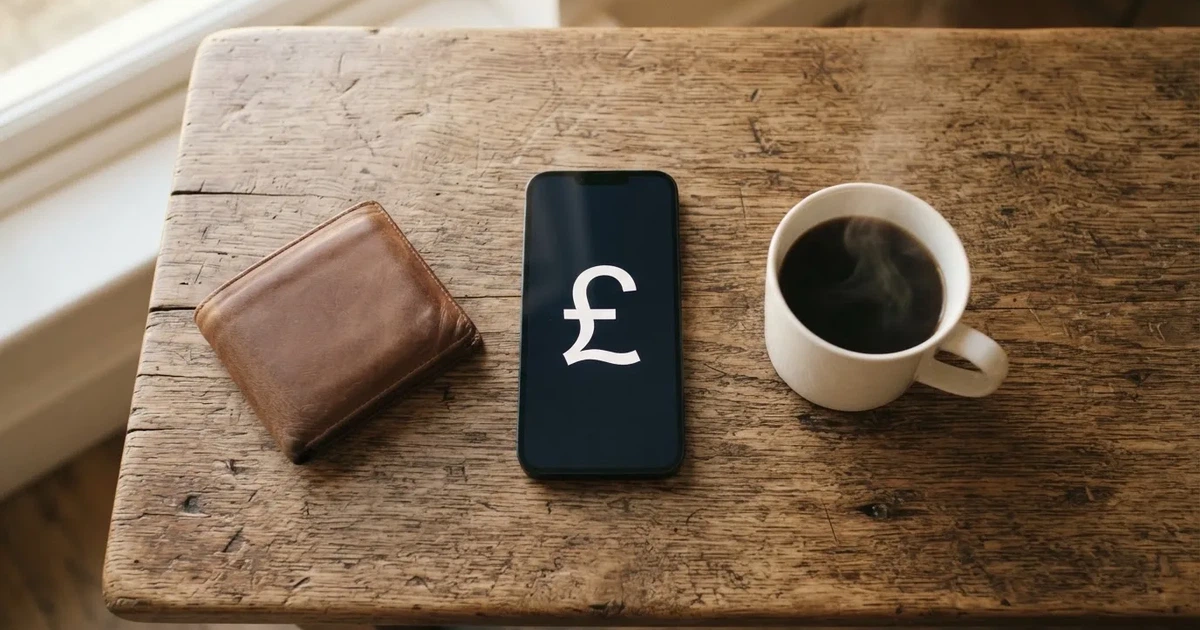
The honest version of the £1-deposit question is short. Credit cards have been banned for gambling in Great Britain since 14 April 2020, so any card route is debit, bank or e-wallet only. Name, address and date of birth are verified before the first deposit can be placed. And minimum deposits at the major brands sit at £5 by default — Sky Bet, William Hill, DAZN Bet and most of their peers all set the floor there, and that is the landscape a £1 search runs into.
The legal frame: what a Gambling Commission licence actually requires
Every operator taking remote bets from customers in Great Britain needs a Gambling Commission licence, and it needs one wherever the operator is based — that rule is in place under the Gambling (Licensing and Advertising) Act 2014. A Curaçao or Malta or Gibraltar registration is not a substitute; the test is the Commission’s own public register, which can be searched by business name, trading name, domain or account number.

The Commission licenses a category of activity rather than a single product. The five that show up most often are remote general betting standard (real events), remote general betting standard (virtual events), remote general betting limited, remote pool betting, and remote betting intermediary, the licence a betting exchange runs under. Several high-street names sit under one licensee — Ladbrokes and Coral under LC International Limited, Paddy Power and Betfair under PPB Counterparty Services Limited — and they are not independent operators for that reason.
Licensed operators use both .com and .co.uk, so the domain proves nothing. The check that matters is the register entry: the licensee, the trading name, the licence number, and the categories it covers. There is no cap on the number of licences, no state monopoly, and no rule against a single group holding several.
Minimum age is 18. Since 7 May 2019, identity has been verified before a customer can deposit or gamble at all — including with a free bet, including on a bonus. That is the change that closes the door on anonymous small-stakes play at a licensed site, and it is the rule that shapes the entire £1 question: even where the minimum deposit were a pound, a verified account, a real name, an address and a date of birth have to sit behind it before the pound is accepted.
Financial spread betting is a different regime: it is regulated by the Financial Conduct Authority, not by the Commission, and Spreadex — which carries both licences — is upfront that spread betting losses can exceed deposits.
Staying safe: the protection stack a GB licence brings
A GB licence comes with a protection stack that a punt never has to ask for. The pieces matter when a £1 deposit is on the line, and they are doing different jobs.

GAMSTOP is the national self-exclusion scheme, mandatory for every licensed online operator since 31 March 2020. A customer who registers with GAMSTOP is excluded from every licensed remote bookmaker in Great Britain for six months, one year, five years, or five years with auto-renewal, and after the minimum period the exclusion stays in place for a further seven years unless the customer asks GAMSTOP to lift it. Betting shops are covered by a separate scheme; GAMSTOP itself covers online sites and apps.
A financial vulnerability check applies to licensed remote betting once a customer’s deposits minus withdrawals exceed £150 in a rolling 30-day window. The check is a public-record one — bankruptcy, county court judgments and similar — not a credit-reference check, and not an income check. It is in force since 28 February 2025.
A separate, more thorough financial risk assessment has been announced in stages — a Commission paper of 7 July 2026 puts the framework out without a start date. Until then, the vulnerability check is the only automatic trip-wire on deposit behaviour.
Deposit limits are a requirement too. Operators must offer a gross deposit limit on a fixed time frame — that is a customer-set ceiling, not a state-set one, and the first changes have been in force since 31 October 2025. A second phase was postponed to 30 September 2026, so the precise state of the limit menu in the second half of 2026 is not fully nailed down.
Help is layered: GamCare runs the National Gambling Helpline; GambleAware funds treatment and education; NHS gambling clinics operate in several regions; Gamblers Anonymous runs peer-support meetings. The major brands link out to these from their safer-gambling pages, and the standard set is GamCare, GambleAware, GAMSTOP and Gambling Therapy, with BetBlocker and the BGC appearing on several of the brands below.
What a £1 deposit actually buys
The £1 minimum deposit premise — a £1 minimum deposit — runs into a wall of £5 floors. DAZN Bet’s published minimums are £5 by debit card, Apple Pay, Paysafecard, Trustly and Skrill, and £20 by PayPal. Sky Bet’s terms set £5 across every payment method, and note the operator may change the minimum without prior notice. William Hill’s debit card floor is also £5, with a £99,000 ceiling per deposit and a £33,000 ceiling per withdrawal. Coral, Paddy Power, BetVictor, Unibet and BetMGM sit in the same £5-to-£10 territory.
There is a real exception. Sky Bet’s help pages state that Pay by Bank — the Open Banking route — has no minimum deposit amount, while other methods error if the amount entered is below the floor. That is the one route into the licensed market where a £1 deposit is technically accepted at the cashier, and it is Open Banking, not a card. For anyone wedded to a £1 ceiling, that is the door.
Two other costs come with a low deposit, and they do not show in the headline.
The first is identity verification. The £1 may be the smallest stake, but the account it lands in has been verified — name, address, date of birth — before it is opened, and from 28 February 2025 a vulnerability check triggers at £150 of net deposits in a rolling 30 days. A pound is well clear of that. A hundred pounds a month is clear of it. A two-hundred-pound month is not, and the check kicks in.
The second is the welcome offer. Welcome offers are built on £10 to £20 qualifying deposits, not £1. Unibet pays £40 in free bets when a customer wagers £20 at minimum odds of 2.0 (1/1), with the free bets expiring within 7 days of issue and the qualifying payment by debit card or instant bank transfer. Coral’s offer is structured identically — £40 in free bets after a £20 sports bet at minimum odds of 2.0 (1/1), free bets issued within 7 days and expiring 7 days after issue, with opt-in required. BetMGM runs four £10 free bets after a £10 deposit and sports bet within 7 days, two football accumulators of 4+ selections and two sports multiples of 2+. Bet600 hands out one £10 free bet after five £10 qualifying singles at minimum odds of 2.0 within 7 days of registration. A £1 deposit misses all of these.
That is the trade at the heart of the £1 question. The deposit itself can sometimes be £1; the welcome offer that follows is built on £10 to £20 of qualifying bets at minimum odds of 2.0, and that is where the headline value sits. A punter chasing the lowest entry point trades the bonus for the floor.
Paying in and getting paid out: the cashier layer
The cashier is the layer most affected by the credit-card ban. Since 14 April 2020 the LCCP has banned credit cards for gambling, including credit-card-funded payments through an e-wallet. Debit cards and bank-based payments are unaffected. The methods the featured brands accept are tightly clustered, and that is the British reality of the cashier.
Sky Bet accepts debit cards, Apple Pay, Pay by Bank and Revolut Pay in GBP, and adds that by law betting companies can no longer accept credit cards for gambling. It allows up to three debit cards linked to one account, with Apple Pay exempted from that count. Unibet’s deposit menu runs through debit cards and instant bank transfers; its qualifying offer terms specifically require one of those two. Midnite takes Visa, Mastercard, Apple Pay, Google Pay and Trustly. Betmaster accepts Visa, Mastercard, Maestro and V PAY. LiveScore Bet works through debit cards (Visa and Mastercard), Apple Pay, PayPal, Pay by Bank and Revolut Pay. bet365 funds accounts by debit card, PayPal and Apple Pay.
The constraint on a £1 deposit is therefore not a missing method. The constraint is the minimum each method carries. DAZN Bet’s £20 PayPal minimum is the highest single-method floor in the set, and it bites on the brand that most prominently runs an acca-builder product. Sky Bet’s Pay by Bank exception is the only published no-minimum route.
Withdrawal speed is not given in the inputs for any of these brands on a like-for-like basis, and that is one a customer runs by the cashier themselves before a deposit, not from a comparison. The pattern the published help pages show is consistent: debit cards and Pay by Bank clear fastest, e-wallets next, with the brand’s own published time the figure that holds.
A note on currencies and crypto
The Commission has no published rule either for or against cryptocurrency deposits at licensed operators, and no named-account rule that restricts payment methods beyond the credit-card ban. The default at every featured brand is sterling only, and the cashier pages reflect that. A punter looking for crypto funding is outside this set.
Top 10 £1-and-up deposit betting sites in Great Britain
The ten brands below all hold a Gambling Commission remote licence for general betting on real events. The list is not a ranking and not a recommendation — a place in a comparison is not a licence, several brands run under one licensee, and offers are described only as each operator’s own terms state them. No operator is the only licensed brand. The angle of the table is the cashier: minimum deposit, the methods that hit it, and the welcome offer as the operator’s own terms describe it.
| Brand | Gambling Commission remote licence | What the operator’s own terms state on minimum deposits and welcome offers |
|---|---|---|
| BetTom | 064959-R-339314-003 (Bet Tom Limited) | Sports welcome offer is 50% back as a free bet up to £50, with a matching 50% back up to £50 as free slot funds for casino play; full terms apply |
| Paddy Power | 039439-R-319330-013 (PPB Counterparty Services Limited) | Sports betting app published by Paddy Power PLC; covers football, horse racing, boxing, rugby, tennis, golf, darts, snooker and F1 |
| BetMGM | 039198-R-319450-029 (LeoVegas Gaming PLC) | Sports welcome offer is four £10 free bets (two football accumulators of 4+ selections, two sports multiples of 2+) after a £10+ deposit and sports bet within 7 days; minimum odds and opt-in required, free bets valid for 7 days |
| Bet600 | 044731-R-323941-016 (Tyche Tech Limited) | App welcome offer requires five qualifying single bets of £10+ at minimum odds of 2.0 within 7 days of registration, then one £10 free bet is credited |
| Fafabet | 057385-R-333191-006 (Taichi Tech Limited) | Best Odds Guaranteed on UK and Irish horse racing win and each-way bets from 9am on race days; if the starting price is bigger than the original price, the bigger odds are paid |
| Unibet | 045322-R-324275-019 (Platinum Gaming Limited, Gibraltar) | £40 in free bets when a £20+ deposit and sports bet at minimum odds of 2.0 is placed; free bets expire within 7 days; new GB customers using a debit card or instant bank transfer |
| BetVictor | 039576-R-319370-028 (BV Gaming Limited) | Best Odds Guaranteed on UK and Irish horse racing, enhanced live race streaming and a BetFinder feature for racing bets, alongside Smart Stats |
| DAZN Bet | 048756-R-327274-019 (DZBT Limited) | Minimum deposits are £5 by debit card, Apple Pay, Paysafecard, Trustly and Skrill, and £20 by PayPal; no processing fees |
| LiveScore Bet | 056859-R-332720-005 (LiveScore Betting and Gaming (Gibraltar) Limited) | Accepts debit cards (Visa and Mastercard), Apple Pay, PayPal, Pay by Bank (Open Banking) and Revolut Pay |
| Coral | 054743-R-330863-014 (LC International Limited) | £40 in free bets when a £20+ deposit and sports bet at minimum odds of 2.0 is placed; free bets issued within 7 days and expiring 7 days after issue; new GB customers who opt in |
Several shared facts apply across the table. Every remote licence listed is for general betting on real events — the standard GB online betting category. Every brand sits on the Commission’s public register against a licensed operator with a UK presence. Every brand runs an in-play product subject to the Commission’s customer-protection rules, with no statutory cap on stake size. The headline offers are described the way the operator’s own terms describe them, and the reader who acts on them reads those terms first.
The key differences worth naming in prose sit in three places. The minimum-deposit floor is highest at DAZN Bet’s PayPal route, where £20 is the entry rather than £5. The welcome-offer trigger is most generous at BetMGM, where four £10 free bets follow a single £10 qualifying bet, and most demanding at Bet600, where five £10 singles at minimum odds of 2.0 are the qualifying path. The racing-specific features — Best Odds Guaranteed, the BetFinder tool — belong to Fafabet and BetVictor, and those are the brands a horse-racing punter gravitates towards regardless of the deposit floor.
What each operator costs the punter
BetTom — flexible offer, modest floor
BetTom’s sports welcome offer pays 50% back as a free bet up to £50, with a matching 50% back up to £50 as free slot funds for casino play. That is a split-offer structure, and the matched half is in casino play rather than in further sports bets — a casino balance is not a betting balance, and the two are spent on different products. For a punter who only bets, the relevant half is the £50 free-bet ceiling, and the qualifying deposit that unlocks it sits in the £5-to-£10 range the brand does not separately publish but does not contest.
The cost is the standard one: a free bet usually does not pay its stake back with a win, so a £50 free bet at 2.0 returns £50 in profit, not £100. The reader who treats a free bet as cash is the reader who loses the most.
Paddy Power — breadth over specials
Paddy Power’s sports betting app is published by Paddy Power PLC and covers the broadest sport set in the table: football, horse racing, boxing, rugby, tennis, golf, darts, snooker and F1. That breadth matters for a punter whose interest moves between sports week to week, and the brand’s money-back specials and price boosts are well known in the British market.
The cost is the same one that sits behind every specials-led brand: the headline price is the bait, the margin is the bite. A price boost on a short-priced favourite is still a price boost on a short-priced favourite, and the margin of the underlying market sets the floor on what a winning boost is worth. A punter who chases boosts only and ignores the rest of the card loses on the rest of the card.
BetMGM — four free bets, one qualifying bet
BetMGM’s sports welcome offer is the most generous on a per-pound basis in the set. A new UK customer depositing £10 or more and placing a sports bet within 7 days receives four £10 free bets: two football accumulators of 4+ selections and two sports multiples of 2+. Each free bet is valid for 7 days and carries minimum odds and an opt-in.
The cost is the structure. A free bet on an accumulator of 4+ selections is a higher-margin bet than a single, and a £10 free bet at 5.0 on a four-fold pays out £40 in profit — the stake is not returned. The headline four free bets read like £40 of value; the realised value depends on the prices the bettor takes, and the per-bet value falls as the price shortens. A punter who uses the two singles-style multiples first and treats the accumulators as the bonus captures the most value.
Bet600 — five qualifying singles, one free bet
Bet600’s app welcome offer requires at least 5 qualifying single bets of £10 or more at minimum odds of 2.0 within 7 days of registration, after which one £10 free bet is credited. The qualifying spend is £50 across five bets, and the reward is one £10 free bet.
The cost is the heaviest in the table. £50 of qualifying bets at minimum odds of 2.0 to win a single £10 free bet is a thin return by offer standards, and the 7-day window is tight if the punter bets selectively. The brand suits a punter who would have placed those bets anyway; it does not suit a punter chasing a bonus headline.
Fafabet — racing-shaped, BOG-led
Fafabet pays Best Odds Guaranteed on UK and Irish horse racing win and each-way bets from 9am on race days: if the starting price is bigger than the original price, the bigger odds are paid. That is the racing punter’s safety net, and it is the only safety net that pays on a winner rather than refunding a loser.
The cost is the narrowness of the offer. BOG only fires on UK and Irish racing, and only from 9am on race day; bets placed earlier in the day do not qualify. A punter who only bets football gets nothing from the headline feature, and a punter who bets racing gets the most out of the brand. The other sports on the card are competitive but not headline-leading.
Unibet — £40 in free bets after a £20 trigger
Unibet’s sports welcome offer is “Get £40 in Free Bets when you bet £20”: a deposit and sports bet of £20 or more at minimum odds of 2.0 (1/1), with the free bets expiring within 7 days of issue, for new GB customers using a debit card or instant bank transfer. The UK site has run since 1999 under Platinum Gaming Limited, Gibraltar, on Gambling Commission account 45322.
The cost is the qualifier’s payment route. A debit card or instant bank transfer is required to unlock the offer, so a punter depositing via Apple Pay or another e-wallet misses the welcome. That is a customer-protection policy rather than a marketing quirk, and it is worth knowing before the deposit is made. Unibet also runs a deep safer-gambling stack — deposit limits, a Player Profile test, product restrictions and self-exclusion, with links to BeGambleAware, GamCare, GAMSTOP, Gambling Therapy and the BGC — which is the most comprehensive on the table.
BetVictor — racing tools, modest welcome
BetVictor offers Best Odds Guaranteed on UK and Irish horse racing, enhanced live race streaming and a BetFinder feature for racing bets, alongside Smart Stats. The brand is racing-shaped in the same way as Fafabet, with a BOG core and a stack of supporting tools.
The cost is that the welcome offer does not feature in the inputs at the level of detail the others do, so a punter looking at BetVictor for the welcome terms reads the brand’s own current terms rather than the comparison. The racing features are the headline, and they are the reason a racing punter keeps an account there.
DAZN Bet — high PayPal floor, no fees
DAZN Bet’s deposit minimums are the most explicit in the set: £5 by debit card, Apple Pay, Paysafecard, Trustly and Skrill, and £20 by PayPal, with no processing fees on any route. The brand shows in-play events, an acca builder, popular accas and price boosts with maximum-stake limits.
The cost is the PayPal ceiling. A punter funding the account through PayPal commits to £20 rather than £5, and that is the trade for using the e-wallet rather than the debit card. The acca-builder product is the brand’s hook, and price boosts come with maximum-stake limits that protect the bookmaker, not the punter.
LiveScore Bet — broad payment menu
LiveScore Bet accepts debit cards (Visa and Mastercard), Apple Pay, PayPal, Pay by Bank (Open Banking) and Revolut Pay. The five-route menu is the broadest in the set alongside Sky Bet’s, and the inclusion of Open Banking and Revolut Pay covers the two routes that have a credible claim on a low-floor deposit.
The cost is the lack of a headline welcome-offer figure in the inputs, which is the same caveat as BetVictor’s: a punter reading the welcome reads the brand’s own current terms first. The cashier menu is the headline here, and the cashier menu is competitive.
Coral — twin of Unibet on the welcome
Coral’s sports welcome offer is the same shape as Unibet’s: £40 in free bets when a £20+ deposit and sports bet at minimum odds of 2.0 is placed, free bets issued within 7 days and expiring 7 days after issue, for new GB customers who opt in. Coral sits under LC International Limited, the same licensee as Ladbrokes, and the two brands run side by side rather than as independent operators.
The cost is identical to Unibet’s in welcome-shape terms, with one practical difference: Coral runs under LC International rather than Platinum Gaming, so the safer-gambling stack and the payment routes are the LC stack rather than the Platinum Gaming stack. A punter choosing between the two is choosing between two brand experiences on the same offer shape.
The mechanics behind the offers
A free bet’s headline is not its value. The arithmetic is short and worth knowing, because it sets what an offer is actually worth before any deposit is made.
A £10 free bet at minimum odds of 2.0 on a market with a 5% margin returns, on average, £10 × (2.0 − 1) ÷ 2.0 × 0.95 = £4.75 in expected value. The stake is not returned with a win, the £10 itself is the bet, and the realised value depends on the price the punter takes — the higher the price, the larger the expected value, and the lower the market margin, the closer the expected value gets to a pound-for-pound trade.
A bonus with a 10x wagering requirement on a £10 bonus needs £100 of qualifying bets at minimum odds of 2.0 to clear, with only bets at or above the minimum price counting. That is the British cap on bonus wagering in force since 19 January 2026, and any offer above it is operating outside the Commission’s promotion rules.
A qualifying bet’s true cost is the margin of the market it lands on. A £20 qualifying bet at minimum odds of 2.0 on a market with a 5% margin costs £1 in expected value before the free bet is even issued. The free bet then needs to clear that expected cost before it pays the punter a real return, and the £40-in-free-bets offer reads as £40 of headline value but lands as closer to £19 in expected value once the qualifying cost is taken into account. That is the realistic number behind the £40 headline.
None of these numbers are guarantees. They are averages over many bets under stated assumptions, and the actual return on any single bet varies. A punter who treats an offer as a guaranteed return is the punter who misunderstands the offer.
Bonuses and free bets: the rules in force
Two promotion rules are in force since 19 January 2026, and they shape every welcome offer in the table.
Wagering requirements on bonuses are capped at 10x. A £10 bonus at 50x needs £500 of bets; under the cap no more than £100 of qualifying bets is required. A free bet with no wagering condition — where the winnings are paid in cash — is not directly capped by this rule, and whether the cap applies to free bets with no wagering condition is not established in the public record. The brands above state their offer terms plainly, and a punter reading the offer reads the wagering factor in the same sentence as the bonus amount.
Mixed-product promotions are banned. An offer that requires gambling on two or more product types — betting and casino, betting and bingo, betting and lottery — is not a permitted promotion. The classic example is “bet on football to get free spins”, and that shape of offer is off the menu at a GB-licensed operator. BetTom’s split offer — 50% back as a free bet up to £50 and a matching 50% back up to £50 as free slot funds for casino play — sits on the right side of the line because the qualifying bet is a single bet, not a casino-plus-betting bundle; the casino half is a reward for the same qualifying spend, not a coupled requirement.
There is no state-set cap on the money value of a bonus, and no state-set cap on free-bet winnings. The operator’s own terms set both, and a punter reads those before a deposit.
What an unlicensed site costs the punter
A bookmaker taking remote bets from customers in Great Britain without a Gambling Commission licence is committing an offence under section 33 of the Gambling Act 2005. The offence is aimed at the operator — up to 51 weeks’ imprisonment, a fine up to level 5, or both; six months in Scotland on summary conviction — and the Commission’s enforcement toolkit is disruption rather than blocking: cease-and-desist notices, search-engine referrals, work with registrars, hosts and payment providers, and court-order DNS blocking powers that have been granted or are imminent.
The punter is not the target of the criminal offence. The punter is the target of the protection gap.
An unlicensed brand is not bound by the £150 financial-vulnerability check. It is not bound by the 10x bonus wagering cap. It is not a member of GAMSTOP, so a self-excluded customer who lands on an unlicensed site has no recourse through the national scheme. There is no approved dispute-resolution body and no British consumer redress if funds are withheld — the punter sues in the operator’s home jurisdiction, on the operator’s home terms. That is the real cost of an unlicensed deposit, and it is a cost that compounds the longer the account is open.
The credit-card ban does not extend to operators that do not hold a GB licence, and the verification-before-deposit rule does not extend either. An unlicensed site may accept credit cards and may take deposits without verification. That is the apparent upside; the protection gap is the cost.
Advertising, sponsorships and the public square
Advertising is not licensed by the Commission. It runs through the CAP Code for non-broadcast and the BCAP Code for broadcast, both enforced by the ASA, alongside the LCCP marketing conditions that licensed operators have to follow.
The CAP Code’s section 16 says marketing must be socially responsible, must not be of strong appeal to under-18s, and may not feature anyone who is or seems to be under 25 gambling or playing a significant role, with a narrow exception for marketing placed where a bet can be made directly. That rule concerns who may appear in the advertisement, not who may bet.
Whistle-to-whistle has been an industry code since 1 August 2019: betting advertisements are not shown on TV from five minutes before a live sporting event to five minutes after it, before the 9pm watershed, with horse and greyhound racing excluded. It is an industry code, not law, and the Premier League clubs’ withdrawal of gambling sponsorship from the front of matchday shirts from 2026/27 is voluntary — sleeves and hoardings remain.
Operators are responsible for marketing carried out by their affiliates, and a punter clicking through an affiliate link lands on the same offer as a punter typing the URL directly. The route in does not change the offer.
The tax position in plain English
The punter pays no tax on betting winnings in Great Britain. General Betting Duty is the operator’s tax on gross profits, currently 15%, and from 1 April 2027 a new remote betting rate of 25% applies within it, while remote bets on UK horse racing, bets on self-self-service betting terminals in licensed premises, pool betting and in-person betting stay at 15%. Until 1 April 2027 the remote rate stays at 15%, and whether operators pass duty on through their odds is not established — never write that the player is charged duty.
Spread betting has its own rates: 3% financial, 10% other. A punter on a financial spread book sits outside the betting-duty regime in the same way a punter on a fixed-odds book sits inside it. Spreadex, which runs both licences, is the brand that sits on both sides of that line, and it is upfront that spread betting losses can exceed deposits.
The Commission’s statutory levy is a separate charge, not a tax. It funds research, treatment and education, and the punter does not see it on the betting slip.
Frequently asked questions about £1 deposit betting sites
Can I deposit £1 with a betting site in Great Britain?
Most do not. Sky Bet’s terms set a £5 minimum across every payment method, and William Hill, DAZN Bet and the major peers sit at the same floor. The exception is Sky Bet’s Pay by Bank route, which the brand’s help pages state has no minimum deposit amount. A £1 deposit at a GB-licensed operator is therefore available on one method at one brand, not as a market-wide feature, and the welcome offers above it are built on £10 to £20 of qualifying spend.
What betting apps let me deposit less than £1?
The published minimums across the table run £5 by card and £20 by PayPal at the top end. None of the featured brands publishes a sub-£1 minimum on any route. A punter looking for a smaller entry point either uses Sky Bet’s Pay by Bank exception or accepts that the realistic floor is £5 across most licensed methods.
Which payment methods do GB-licensed bookmakers accept, and are credit cards allowed?
The standard set is debit cards (Visa and Mastercard), Apple Pay, Pay by Bank (Open Banking), PayPal, Revolut Pay, Google Pay, Trustly and Skrill. Credit cards are banned for gambling in Great Britain under LCCP condition 6.1.2, in force since 14 April 2020, and the ban extends to credit-card-funded payments through an e-wallet. There is no Commission rule on cryptocurrency deposits at licensed operators and no named-account rule beyond the credit-card ban, so payment availability is described only from each operator’s own terms.
From what age can bets be placed in Great Britain, and when is identity verified?
The minimum age is 18. Since 7 May 2019, identity — name, address and date of birth — has been verified before a customer can deposit or gamble at a licensed operator, including with a free bet or bonus. A punter under 18 cannot open an account, and a punter over 18 cannot deposit before verification has cleared.
How can I check that a bookmaker holds a Gambling Commission licence?
The Commission’s public register can be searched by business name, trading name, domain or account number. The entries that matter are the licensee, the licence number, the trading name and the licence categories. The register is the whole test of who holds a licence — a brand’s own marketing does not substitute.
What do I lose by betting on a site without a Gambling Commission licence?
You lose the protection stack. No GAMSTOP coverage, so a self-exclusion does not follow you onto the site. No Commission complaints route. No approved dispute-resolution body. No British consumer redress if funds are withheld. No 10x bonus wagering cap and no £150 financial-vulnerability check, which means the operator’s safer-gambling controls are the operator’s own choice rather than a licence condition. The credit-card ban and verification-before-deposit rules do not apply either, so the apparent upside — credit-card deposits, no verification — is the protection gap in another guise.
Payments & apps – Accumulator
Content created by the «Accumulator» team
