
Where a tenner still opens an account, and what it costs you when it does
 Available in US
Snapshot, 26 October 2026: figures and operator terms checked against the Gambling Commission’s public register and each operator’s own published terms.
A £10 deposit sounds modest enough to ignore. It is not the number that matters so much as the conditions that ride alongside it: a £10 qualifying bet that must be placed at minimum odds of 1/1 to release a £30 free-bet bundle, a £10 first deposit that unlocks a 100% matched free bet only when paid by debit, a deposit that the operator can raise without telling you first. The arithmetic is dull. The bill, run over a couple of months, is not. The point of this page is to make that bill legible before a single penny is paid.
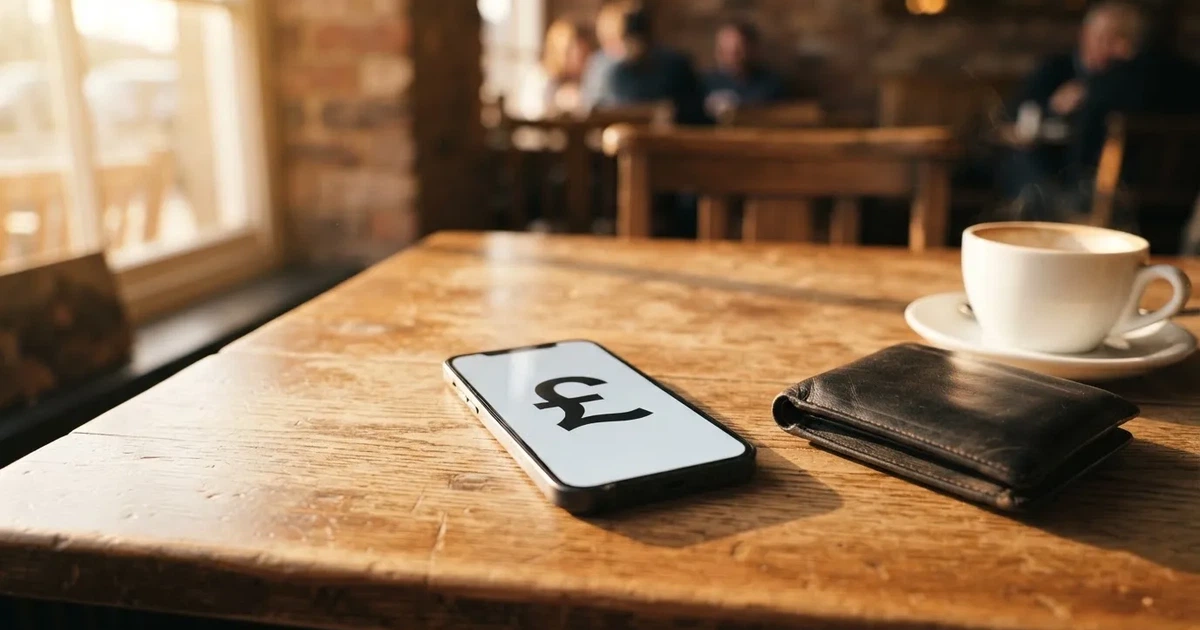
The Gambling Commission is the regulator for Great Britain, and every online bookmaker that takes a bet from a customer in England, Scotland or Wales must hold one of its remote licences. The Commission’s public register lists the holder against each licence number, with the website the licence was issued for, the trading name, and the licence category. That register is the test. A site that fails the test still operates and still pays out winners, sometimes; what it does not offer is GAMSTOP cover, the 10x wagering cap on bonuses, the £150 vulnerability-check threshold, or a route to a Commission-backed dispute resolution service. None of those absences is theoretical. Each is the specific protection a player loses by betting on an unlicensed site, and each is named in the pages that follow.
This guide covers £10 deposit betting sites in the UK, the licensed set, with an angle fixed on what the deposit actually costs once terms, fees, qualifying bets and the market margin are counted. The order moves from the legal frame and safer-gambling controls into bonuses and payment rails, and closes with ten operator reviews and a comparison table. The image is dull on purpose. The offers are not.
How UK gambling law treats a small deposit
The framework is the Gambling Act 2005, the Gambling (Licensing and Advertising) Act 2014, and the Licence Conditions and Codes of Practice (LCCP) the Gambling Commission enforces against every licence holder. The point of the framework is that the licence is the regulation: a bookmaker either holds a remote licence for Great Britain or it is operating illegally here, and the licence categories themselves — remote general betting standard (real events), remote general betting standard (virtual events), remote pool betting, remote betting intermediary — tell a reader what kind of betting the brand is licensed to take. There is no state monopoly and no cap on the number of licences. Operators based in Malta, Curaçao or Gibraltar can still serve a GB customer only if they hold a Commission licence, and a foreign regulator’s permission is not a substitute for one.

The player-facing rules in this market are few and specific. Five. Credit cards have been banned for gambling in Great Britain since 14 April 2020 (LCCP condition 6.1.2), and the ban reaches credit-card-funded payments through e-wallets, so a Visa debit card is fine but funding a Neteller wallet from a credit card and then betting from the wallet is not. Identity is verified before the first deposit, including for a free bet or bonus, and the test covers name, address and date of birth — that rule has been in force since 7 May 2019, which is why no GB-licensed operator runs anonymous play. The minimum age is 18. There is no statutory deposit ceiling: a licensed operator must offer deposit limits, but the ceiling itself is the customer’s choice. There is no statutory list of permitted bets or markets, so in-play, politics, novelty, virtual sports, esports are all available provided the operator’s licence category covers them and the operator’s own house rules permit them. The Commission’s register is the test of who is licensed and for what.
A separate regime applies to financial spread betting, which is regulated by the Financial Conduct Authority rather than the Gambling Commission. A firm that offers spread bets on financial markets will be dual-regulated, and its terms state that losses on the spread side can exceed the deposit — that is the contract, not a marketing line, and it is the structural reason spread betting is treated as a different product from fixed-odds betting even when both sit on the same brand. A reader who only meant to back a football result should not end up on the spread side by accident, and the brand’s terms state the warning for that reason.
Advertising is a separate regime again. The Commission does not license advertising; that role sits with the Advertising Standards Authority, which enforces the CAP Code for non-broadcast ads and the BCAP Code for broadcast. Section 16 of the CAP Code sets the content rules: marketing must be socially responsible, must not appeal strongly to under-18s, and no one who is or seems to be under 25 may feature gambling or play a significant role, with an exception for in-play advertising placed where a bet can actually be placed. Promotion rules in force since 19 January 2026 cap wagering requirements on bonuses at 10x and ban mixed-product promotions (a free-bet offer that requires betting on football and playing casino is no longer permissible). The whistle-to-whistle TV ban on betting ads during live sport has been in force since 1 August 2019, before the 9pm watershed, with horse and greyhound racing excluded; that is an industry code rather than statute, but it has the same effect on what a viewer sees. The Premier League’s voluntary withdrawal of gambling logos from the front of shirts from the 2026/27 season sits alongside the rules — sleeves and pitchside hoardings stay — and is voluntary, not law.
The player pays no tax on betting winnings in Great Britain; the operator’s tax is General Betting Duty at 15% of gross profits on most bets, with a new 25% remote rate applying from 1 April 2027, while UK horse-racing remote bets, self-service betting-terminal bets, pool betting and in-person bets stay at 15%. Whether operators pass duty on through tighter prices is not established; do not assume it and do not assume the opposite. The levy is a separate charge on operators, not on customers.
What the law is doing in plain English is making the licence the centre of the deal: licence first, offer second, and the consumer protections ride on the licence. A reader who checks one thing before depositing £10 should check the register entry, and the section on safer gambling contains the practical lookup, which the rest of this page assumes the reader will do at least once.
Safer-gambling controls: what a £10 deposit triggers before the £10 is placed
The deposit is not the first thing that happens at a licensed site. Identity is verified first, and verification means a name, an address and a date of birth are checked against records before the deposit button is enabled. The check has been in place since 7 May 2019 and applies even to a free bet, so a £10 free-bet-no-deposit-required offer still asks for ID. The point of the rule is that no anonymous play is available at a GB-licensed site; the cost is that the first deposit is slower than at an unlicensed operator that skips the check.

GAMSTOP is the next layer. It is the national multi-operator online self-exclusion scheme, a mandatory licence condition for every online operator since 31 March 2020, and the periods are six months, one year, five years, or five years with auto-renewal. After the minimum period the exclusion stays in force for a further seven years unless the customer asks GAMSTOP to remove it. GAMSTOP covers online sites and apps; the betting shop uses a separate service. A reader who has self-excluded will find that the £10 deposit is refused, and that refusal is the system working. Every GB-licensed online operator participates.
The financial vulnerability check (LCCP condition 3.4.4, in force since 30 August 2024) is the third layer and the one that costs a small-deposit reader nothing in normal use. The threshold is set high: it applies once a customer’s deposits minus withdrawals cross £150 in a rolling 30-day window (since 28 February 2025). The check is a public-record check — bankruptcy or county-court judgments, for instance — not an income check and not a credit reference check, and it is performed against the player’s own records rather than a credit bureau. A punter who keeps deposits to £10 or £20 a week will not trip the threshold for many months. The wider financial-risk assessments the Commission has announced are a staged plan with no start date at the time of writing — that is the Commission’s article of 7 July 2026 — so write “announced, staged, no start date” rather than “in force”.
Deposit limits (RTS 12) sit alongside the vulnerability check. Operators must offer a gross deposit limit on a fixed time frame, and the first changes applied on 31 October 2025; a second phase was postponed to 30 September 2026, and whether it is live at the moment of reading is not established. Limits are the customer’s choice — there is no state ceiling — and they are set in the player’s account rather than imposed from outside. A reader who wants to fix a £10-per-week ceiling can do so at every operator reviewed here.
The help network is independent of the operator. GamCare runs the National Gambling Helpline, GambleAware funds treatment and research, NHS gambling clinics operate in several regions, and Gamblers Anonymous runs support meetings. A licensed operator’s safer-gambling page links to one or more of these, and the link is more than a marketing courtesy: it is a structural part of the licence. A page that does not link out is a flag worth noticing.
The single sentence that pulls the section together is this: a £10 deposit is a small enough amount to feel casual, but it lands inside a system built around the licence, GAMSTOP, the vulnerability check and the customer’s own deposit limit. None of that costs the £10 in money. All of it shapes what happens around the £10 in time, in friction, and in the protections that follow the bet.
Bonuses and free bets: what the small-deposit welcome offer actually costs
The marketing line on a £10 deposit site usually runs to a free-bet bundle or a 100% match. The arithmetic behind it is what decides whether the offer is worth the registration. A free bet whose stake is not paid back is worth less than its face value, because the winning return is the winnings only — a £30 free bet at evens returns £30 of winnings, not £60. A 100% match on a £10 deposit of “up to £25” sounds like £25 of bonus money; it is £25 of bonus money that has to be turned over a stated number of times at minimum odds before it becomes withdrawable, and the turnover condition is what costs the bettor.
The promotion rules in force since 19 January 2026 cap wagering requirements on bonuses at 10x. A £10 bonus with a 50x requirement would have meant £500 of qualifying bets before withdrawal; under the cap no more than £100 of qualifying bets is required. Mixed-product promotions are banned — a free-bet offer that requires betting on football and playing casino is no longer permissible at a licensed site. The cap is a real floor, not a marketing choice, and a reader who sees a wagering requirement higher than 10x at a licensed brand is looking at an offer that should not be where it is. Whether the cap applies to free bets with no wagering condition, and any cap on the money value of a bonus, are not established; describe what the operator’s own terms state and treat anything beyond that as guesswork.
The qualifying bet is the second cost. A welcome offer that credits three £10 free bets after a £5 deposit and a first single bet of at least 5p at odds of 1/1 or greater is asking the reader to place a real-money bet at minimum odds before the free bets arrive, and the minimum-odds line matters because at very short prices the qualifying bet is more of a formality than a gamble; at 1/1 it is genuinely two-sided. The expiry is the third cost. Free bets expiring within 7 days of issue are a working deadline, not a marketing footnote; a reader who does not use them in the window loses them. The cap on free-bet winnings, where it exists, is the fourth cost: a free bet that pays winnings only up to a stated ceiling can pay out less than the price would suggest on a long-odds winner.
A £10 first deposit that triggers a 100% matched free bet “up to £25” requires a real-money bet of between £5 and £25 with at least three selections each at minimum odds of 3/5 (1.60) to release the bonus. The qualifying bet costs £25 of stake; the bonus is £25 of free-bet credit, with its own turnover rule; and the marketing line on the way in has called the whole package “free”. The package is not free. It costs £25 of qualifying stake plus the turnover on £25 of free-bet credit, and the reader has to win the turnover back before the bonus is theirs to withdraw.
What this section establishes for the rest of the page is the framework to read the operator reviews against. The framework is four questions. What does the welcome offer credit (free bets or bonus money)? What is the qualifying bet (minimum stake, minimum odds, payment-method restriction)? What is the wagering requirement on the bonus, and is it within the 10x cap? What is the expiry, and is there a cap on free-bet winnings? Every operator review below answers those four questions where the operator’s own terms state an answer, and admits the gap where they do not.
Payments and payout speed: what a £10 deposit buys at the cashier
The cashier is where the small deposit is most obviously small. Sky Bet’s terms state the minimum deposit for all payment methods is £5, with the operator able to change that minimum without prior notice acting reasonably; Pay by Bank has no minimum at all. William Hill lets customers deposit and withdraw by debit card from £5, with a maximum deposit of £99,000 and a maximum withdrawal of £33,000 per transaction and no fee on debit card transactions. The £10 deposit sits inside a market that is comfortable with a £5 floor and a five-figure ceiling, which means the small deposit is not a special case at the cashier — it is below the median and well above the floor.
The methods the reviewed operators list are debit cards, Apple Pay, Pay by Bank (also called open banking or instant bank transfer), Trustly, Google Pay, PayPal, and a handful of e-wallets whose position is mixed. QuinnBet accepts debit cards, Apple Pay and OpenBanking, plus Revolut cards, and does not accept Skrill or Neteller deposits. Midnite accepts Visa, Mastercard, Apple Pay, Google Pay and Trustly. Betmaster accepts Visa, Mastercard, Maestro and V PAY. bet365 accounts can be funded by debit card, PayPal and Apple Pay. Sky Bet accepts debit cards, Apple Pay, Pay by Bank and Revolut Pay in GBP, and states that by law betting companies can no longer accept credit cards as a method of deposit.
Credit-card funding is the structural point. The ban covers credit cards directly and credit-card-funded payments through e-wallets, so a reader who funds a Neteller wallet from a credit card and then bets from the wallet is in breach of the operator’s terms and at risk of the withdrawal being reversed. Debit cards and bank-based payments are not covered by the ban, which is why every reviewed operator lists them.
Card limits are a smaller cost. Sky Bet allows up to three debit cards to be linked to an account, a limit that does not apply to Apple Pay. A reader who splits deposits across several cards will hit the ceiling at three, and that is the rule rather than a glitch.
The speed question is harder to pin down at the cashier than the minimum is. Deposit speed is set by the payment rail rather than the operator: debit card deposits are instant, Pay by Bank and Trustly are instant, Apple Pay and Google Pay are instant, and a bank transfer can take longer. Withdrawal speed is operator-led and varies by method: e-wallets and Pay by Bank tend to clear same-day, debit cards typically clear in one to three working days, and bank transfers sit at two to five. The exact window is in each operator’s banking page, and a reader who needs the money on a specific day should check that page before placing the qualifying bet that triggered the welcome offer, because a withdrawal request is not always allowed while a bonus is being cleared.
Fees are uncommon at the cashier of a GB-licensed bookmaker for the standard rails. William Hill charges no fee on debit card transactions. The minority case is the e-wallet on a foreign currency or the small deposit that falls under the operator’s stated minimum and is rejected rather than charged, which is an error message rather than a fee.
The plain-English shape is this: a £10 deposit is small enough to land at any operator in the reviewed set, the rails are instant for the common methods, the fees are absent for debit cards and bank-based payments, and the withdrawal is the part to plan. A reader who deposits £10 and wants £20 back the same week is using Pay by Bank or an e-wallet, not a debit card, and is checking the operator’s banking page before requesting the withdrawal.
The ten UK-licensed bookmakers: a side-by-side at a £10 deposit
The ten operators below are the reviewed set. Each is on the Gambling Commission’s public register as a holder of a remote general betting standard (real events) licence for Great Britain; Matchbook additionally holds a remote betting intermediary licence because it runs an exchange. Each operator’s payment story, welcome offer and safer-gambling tools are stated from the operator’s own published terms; nothing in this section is an endorsement. The table below is the headline view, and the operator reviews that follow fill in what the table cannot.
| Brand | Gambling Commission licence | What the operator’s own terms state on a £10 deposit |
|---|---|---|
| Unibet | 45322 — Platinum Gaming Limited | £10 covers the qualifying bet on the £40 free-bets welcome offer (min stake £20 at min odds 1/1); debit card or instant bank transfer only; safer-gambling tools include deposit limits, Player Profile test, product restrictions and self-exclusion |
| Star Sports | 0009177 — Star Racing Limited | £10 deposit supported; safer-gambling tools include deposit limits, a Play Break facility and self-exclusion in My Account; UK and Ireland app |
| QuinnBet | 61011 — QuinnBet (Gibraltar) Limited | £10 deposit supported via debit card, Apple Pay, OpenBanking and Revolut cards; Skrill and Neteller deposits not accepted |
| Betboro | 44181 — Webmedia Development N.V. | £10 minimum deposit (debit card only) triggers the 100% matched free bet welcome offer; first bet £5–£25, 3+ selections, min odds 3/5 (1.60) |
| Fafabet | 57385 — Taichi Tech Limited | £10 deposit supported; Best Odds Guaranteed on UK and Irish horse racing from 9am on race days (win and each-way) |
| Sky Bet | 67370 — SBG Sports Limited | £5 minimum on most methods, Pay by Bank has none; £10 deposit triggers the £30 free-bets welcome bundle (3 × £10); debit cards, Apple Pay, Pay by Bank and Revolut Pay in GBP |
| BoyleSports | 39469 — Boylesports Enterprise | £10 deposit supported; early payouts on selected sports (football 2-up, basketball 20-up, rugby and NFL 16-up, boxing after a knockdown) |
| Lottoland | 38991 — EU Lotto Limited | £10 deposit supported on betting products; the headline payout claim is a £79m EuroJackpot win as the largest online gambling payout in history |
| Matchbook | 39504 — Triplebet Limited | £10 deposit supported; new-customer offer is 110 days of commission-free betting from registration with the code shown on the listing |
| Hollywoodbets | 53028 — Hollywoodbets International UK Limited | £10 deposit supported (card); welcome offer refunds the first losing accumulator as a free bet up to £30 (stake £10+, 3+ legs, min odds 4/1, settled within 7 days) |
The pattern the table shows is that every operator in the reviewed set takes a £10 deposit. What differs is the rail — debit card only at Betboro, Apple Pay and Revolut at QuinnBet, Pay by Bank at Sky Bet — and what the welcome offer credits. Two of the ten (Unibet and Betboro) require a minimum qualifying stake of more than £10, and the £10 deposit covers only part of the welcome trigger. Three of the ten (Sky Bet, Hollywoodbets and Betboro) credit free bets rather than bonus money, with the Sky Bet bundle split into three £10 tokens, the Hollywoodbets refund as a single token capped at £30, and the Betboro offer matched up to £25. Two (Fafabet and BoyleSports) carry product features (Best Odds Guaranteed and early payouts) rather than a headline welcome bonus, and the £10 deposit opens the door without a bonus on top.
The structural point the table does not show is the cost of the qualifying bet. A Sky Bet reader paying the £5 minimum and staking 5p at 1/1 is paying 5p into the qualifying bet and collecting three £10 free-bet tokens; an Unibet reader paying the £20 minimum at 1/1 is paying £20 into the qualifying bet and collecting £40 of free bets, with the £10 deposit covering only part of the trigger. The relative cost is the £20 minimum versus the 5p minimum; the relative reward is £40 versus £30 of free bets. The two operators are not charging the same price for the same product, even though both call their welcome offer a free-bet bundle.
What the table also does not show is the rails’ friction. Sky Bet’s Pay by Bank has no floor at all; Betboro’s welcome offer requires a debit card deposit; Unibet’s welcome offer requires a debit card or instant bank transfer; QuinnBet’s payment set excludes Skrill and Neteller. A reader who only has an e-wallet funded from a credit card has no rail at any of the ten, because the credit-card ban covers the funding source rather than the e-wallet.
The operator reviews below take each brand one at a time and answer what the table cannot: what the welcome offer costs over its full life, what the rail charges a small-deposit reader in friction, what the safer-gambling tools actually do, and which reader the brand suits.
Unibet — £40 free bets on a £20 qualifying bet at 1/1
Unibet has operated since 1999, and its UK site is run by Platinum Gaming Limited, Gibraltar, under Gambling Commission account 45322. The sports welcome offer is “Get £40 in Free Bets when you bet £20”: a deposit and sports bet of £20 or more at minimum odds of 2.0 (1/1), with free bets expiring within 7 days of issue, for new GB customers using a debit card or instant bank transfer. A £10 deposit covers part of the trigger but not all of it — the reader needs another £10 of qualifying stake at 1/1 or greater to release the £40 of free bets.
The cost of the welcome offer is the £20 qualifying stake at 1/1 or greater and the seven-day expiry on the free bets. The qualifying stake is a real-money bet at a market price, and a 1/1 line is genuinely two-sided; on a coin-flip market the qualifying bet is a 50/50 call with the £20 at stake. The free bets expire within 7 days, which is a working deadline; a reader who lets them lapse loses the £40.
The safer-gambling tools include deposit limits, a Player Profile test, product restrictions and self-exclusion, with live-chat support and links to BeGambleAware, GamCare, GAMSTOP, Gambling Therapy and the BGC. The payment set for the welcome offer is restricted to debit card and instant bank transfer; the rail exclusion matters because a reader who usually funds an e-wallet from a credit card will not be eligible, and the credit-card ban covers the funding source rather than the rail.
The fit is a reader who can place a £20 qualifying bet at 1/1 inside the seven-day window, who has a debit card or a bank transfer ready, and who wants a £40 free-bet bundle rather than a bonus with turnover. The price is the £20 qualifying stake and the seven-day clock. The mismatch with the £10 deposit reader is the £10 gap between the deposit and the qualifying stake.
Star Sports — £10 deposit, deposit limits and Play Break
Star Sports provides deposit limits, a Play Break facility and self-exclusion in My Account, and its app is available in the UK and Ireland. The £10 deposit lands on a brand whose safer-gambling suite is in the account rather than on a separate page, which matters because the friction to set a limit is the friction to set a limit at all.
The licence is held by Star Racing Limited against Gambling Commission account 9177, holding a remote general betting standard (real events) licence. The brand’s UK and Ireland app footprint is wider than some of the reviewed set, which matters for a reader who travels.
The fit is a reader who wants the safer-gambling controls to sit in the account itself rather than on a marketing page, and who is happy with a £10 deposit as the entry point. The price is what the welcome offer charges — the operator’s own terms page do not state a headline free-bet bundle on the same scale as Unibet or Sky Bet, and a reader comparing welcome offers will find less headline value here and more in the account controls. That is the trade-off, and it is the right one for a reader who has decided the safer-gambling layer matters more than the welcome bundle.
QuinnBet — debit cards, Apple Pay, OpenBanking and Revolut, no Skrill or Neteller
QuinnBet accepts debit cards, Apple Pay and OpenBanking, plus Revolut cards, and does not accept Skrill or Neteller deposits. The £10 deposit lands on a brand whose rail set is narrower than the average — four rails rather than six — and the exclusion of Skrill and Neteller is the structural point, because a reader whose e-wallet of choice is Skrill has to switch rails to deposit here.
The licence is held by QuinnBet (Gibraltar) Limited against Gambling Commission account 61011, licensed as a remote general betting standard (real events) operator. The Gibraltar base is the corporate seat, not a substitute for the GB licence — the licence is the regulation, and the Commission register entry for Goldman Sachs is the test of who holds one.
The fit is a reader who uses a debit card, Apple Pay, OpenBanking or Revolut, and who is happy with a four-rail cashier. The price is the rail exclusion: a reader who usually deposits via Skrill has to switch rails here, and that is friction the welcome offer has to be worth. For a reader already on the four-rail set, QuinnBet is a clean cashier with the credit-card ban respected and the e-wallet set spelled out rather than implied.
Betboro — 100% matched free bet up to £25, debit card only
Betboro’s sports welcome offer is a 100% matched free bet of up to £25 on the first qualifying wager, requiring a debit card deposit of at least £10 and a first bet of £5 to £25 with at least three selections each at 3/5 (1.60) or higher. The deposit minimum matches the £10 headline; the qualifying stake is £5 to £25 with three or more legs; the minimum odds are 3/5 per leg; and the payment rail is debit card only.
The cost of the welcome offer is the qualifying stake plus the accumulator requirement. A £25 first bet on a three-leg accumulator at 3/5 per leg has a combined price of 1.60 × 1.60 × 1.60 = 4.096, so the qualifying stake has a working return of £102.40 if every leg wins — and three-leg accas at minimum odds are a long way from a guaranteed outcome. The 100% matched free bet credits up to £25 of bet credits against the qualifying stake; the bonus is the match, not the stake.
The licence is held by Webmedia Development N.V. against Gambling Commission account 44181, with a remote general betting standard (real events) licence. The Curaçao parent is the corporate seat, not a substitute for the GB licence.
The fit is a reader who has a debit card and is comfortable with a three-leg accumulator at 3/5 minimum odds to release the matched free bet. The price is the qualifying stake plus the three-leg structure plus the debit-card-only rail. The mismatch with a £10 deposit reader who does not have a debit card is the rail exclusion, and the mismatch with a reader who dislikes accas is the qualifying structure. The match between Betboro and the right reader is exact, and the wrong reader will pay more than the offer returns.
Fafabet — Best Odds Guaranteed on UK and Irish racing from 9am
Fafabet pays Best Odds Guaranteed on UK and Irish horse racing win and each-way bets from 9am on race days: if the starting price is bigger than the original price, the bigger odds are paid. The £10 deposit lands on a brand whose product feature is a racing rule rather than a welcome bundle, which suits a reader who bets on racing rather than a reader who is shopping welcome offers.
The licence is held by Taichi Tech Limited against Gambling Commission account 57385, which holds a remote general betting standard (real events) licence. The £10 deposit is the entry point; the welcome offer is whatever the operator’s own welcome page states, and the BOG rule is the day-to-day product feature.
The fit is a reader who bets on UK and Irish racing and wants the SP-or-bigger rule applied from 9am. The price is whatever the operator’s own welcome page charges, and the gain is the SP upgrade on every win and each-way bet from 9am on race days. The mismatch with a reader who does not bet on racing is the absence of a product feature they would use, and the mismatch with a reader who wants a welcome bundle is that one is not the point here. Fafabet is for a racing reader, and the £10 deposit opens the door without a bonus on top.
Sky Bet — £30 free bets on a 5p qualifying bet, three rails
Sky Bet’s welcome offer for new customers is £30 in free bets, credited as three £10 free bet tokens after a deposit of at least £5 and a first single or each-way bet of at least 5p at odds of 1/1 or greater. Sky Bet’s terms state the minimum deposit for all payment methods is £5 (five pounds sterling), with the operator able to change the minimum without prior notice acting reasonably; Pay by Bank has no minimum at all. Sky Bet accepts debit cards, Apple Pay, Pay by Bank and Revolut Pay in GBP, and states that by law betting companies can no longer accept credit cards as a method of deposit. Sky Bet allows up to three debit cards to be linked to an account, a limit that does not apply to Apple Pay.
The cost of the welcome offer is the 5p qualifying stake at 1/1 or greater. A 5p single at 1/1 returns 10p if it wins, which is a formality rather than a gamble; the welcome bundle is the point of the offer, not the qualifying bet. The three-token structure means each £10 free bet is a separate stake on the winning side only, with no stake returned, so a £10 free bet at evens returns £10 of winnings rather than £20. The free-bet expiry sits in the operator’s own terms and is a working deadline.
The payment set is four rails rather than the cashier average, and the three-debit-card cap is the structural limit. A reader who splits deposits across four cards has to drop one or use Apple Pay, and that is the rule rather than a glitch.
The licence is held by SBG Sports Limited against Gambling Commission account 67370, authorised under a remote general betting standard (real events) licence. Sky Bet’s confirmation on payment methods is the strongest in the reviewed set: every method is named, the credit-card position is stated, the three-card cap is stated, the Pay by Bank no-minimum is stated.
The fit is a reader who wants the smallest possible qualifying bet to release a £30 free-bet bundle, who uses one of the four rails, and who is happy to use three £10 tokens rather than a single credit. The price is the 5p qualifying stake and the three-token structure. The mismatch with a reader who prefers a bonus with turnover is the free-bet rather than bonus-money structure; the mismatch with a reader who uses more than three cards is the rail cap.
BoyleSports — early payouts on football, basketball, rugby and boxing
BoyleSports offers early payouts on selected sports: football if a team goes 2 goals ahead, basketball at 20 points ahead, rugby and NFL at 16 points ahead, and boxing after a knockdown. The £10 deposit lands on a brand whose edge is an in-play rule rather than a welcome bundle.
The licence is held by Boylesports Enterprise against Gambling Commission account 39469, and the licence category is remote general betting standard (real events). The early-payout rule applies to settled bets on the named sports, and the trigger is the operator’s settlement rules rather than the market price.
The fit is a reader who backs football, basketball, rugby, NFL or boxing at single-figure prices and wants the early-payout trigger to settle the bet as a winner when the lead passes the threshold. The price is whatever the operator’s own welcome page charges; the gain is the early settlement on the trigger. The mismatch with a reader who bets on racing or tennis is the absence of a product feature they would use, and the mismatch with a reader who wants a welcome offer is that one is not the point here. BoyleSports is for a sports reader who backs the trigger sports and wants the early settlement, and the £10 deposit opens the door without a bonus on top.
Lottoland — £79m EuroJackpot headline, betting on the side
Lottoland states a £79 million EuroJackpot win as the largest online gambling payout in history. The £10 deposit lands on a brand whose headline figure is a lottery payout rather than a sportsbook welcome offer, and the betting product sits beside the lottery product rather than under it.
The licence is held by EU Lotto Limited against Gambling Commission account 38991, and the licence category is remote general betting standard (real events). The £10 deposit is the entry point to the betting product; the lottery product is its own offering.
The fit is a reader who wants a sportsbook alongside a lottery product and who treats the £10 deposit as a small stake on either. The price is whatever the operator’s own welcome page charges for the betting product; the lottery product runs on its own terms. The mismatch with a reader who wants a sportsbook-only experience is the lottery product sitting in the navigation, and the mismatch with a reader who expects a welcome bundle is that one is not the point here.
Matchbook — 110 days of commission-free betting on the exchange
Matchbook’s new-customer offer is 110 days of commission-free betting from registration for customers who register with the code shown in the listing and make a deposit; standard commission applies afterwards. The £10 deposit lands on a brand whose product is a betting exchange rather than a traditional sportsbook, and the welcome offer is a commission window rather than a free-bet bundle.
The licence is held by Triplebet Limited against Gambling Commission account 39504, and the licence categories are remote general betting standard (real events) and remote betting intermediary. The intermediary category is the licence for exchanges, which is why Matchbook is the only exchange in the reviewed set. The commission structure is the cost of trading on the exchange; the welcome offer is the 110-day commission-free window.
The fit is a reader who backs and lays on a betting exchange and wants 110 days without commission. The price is the eventual return to standard commission and the exchange’s mechanics rather than a sportsbook slip. The mismatch with a reader who expects a traditional sportsbook experience is the product being an exchange, and the mismatch with a reader who wants a sportsbook offer is that one is not the point here. Matchbook is for an exchange reader, and the £10 deposit opens a commission-free window rather than a free-bet bundle.
Hollywoodbets — stake back as a free bet on a losing accumulator
Hollywoodbets’ sports welcome offer credits new players who deposit £10 or more by card with their stake back as a free bet of up to £30 on their first qualifying losing accumulator — stake £10+, 3+ legs, odds of 4/1 or greater, settled within 7 days, one free bet per customer. The £10 deposit is the floor of the trigger; the qualifying bet is an accumulator with three or more legs at minimum combined odds of 4/1; the refund is a free bet, not cash.
The cost of the welcome offer is the qualifying stake on an accumulator at 4/1 or more, which is a four-leg or longer bet at shortish prices or a three-leg bet at longer prices. The refund is a free bet on the losing side, so the qualifying stake has to lose for the free bet to credit. The structure prices the welcome offer as an accumulator insurance product rather than a free-bet bundle, and a reader who wins the qualifying accumulator gets nothing on top.
The licence is held by Hollywoodbets International UK Limited against Gambling Commission account 53028, and the licence category is remote general betting standard (real events). The card requirement is the rail restriction; a debit card deposit is the named rail.
The fit is a reader who wants accumulator insurance on the first bet and is happy with the four-leg structure. The price is the qualifying stake and the loss-only trigger, and the seven-day settlement rule is the condition on the refund. The mismatch with a reader who wants a free-bet bundle on a winning bet is the loss-only trigger, and the mismatch with a reader who dislikes accas is the three-leg floor. Hollywoodbets is for an acca reader who treats the welcome offer as insurance on the first bet rather than a bonus on a winning one, and the £10 deposit opens the door on those terms.
What a £10 deposit looks like over a month at the cashier
Run a £10 deposit once a week at a single operator with a £5 minimum and instant Pay by Bank, and the first month looks like this. Four deposits of £10, one each Saturday, totalling £40 of deposits and zero of fees on debit cards or Pay by Bank. Two of the four weeks coincide with a free-bet token from a welcome bundle, and the tokens are used inside their seven-day expiry rather than lapsed. A £30 withdrawal is requested at the end of the month via Pay by Bank and arrives same-day; a £40 withdrawal via debit card arrives in two working days.
Run the same deposits with a welcome offer that requires a £20 qualifying bet at 1/1, and the first month looks different. The £10 weekly deposit covers £10 of the £20 qualifying stake, and the reader adds another £10 from the betting bank to trigger the £40 free-bet bundle. The free bets are used inside seven days. The qualifying stake has cost £20 of real money; the free bets have returned £40 of bet credits, of which a working estimate is half the face value after the market margin — a £40 free-bet bundle at a market margin of 5% returns roughly £20 of expected winnings. The net is roughly £20 of cost minus £20 of expected return, and the welcome offer has cost the reader nothing in expectation but £20 of real money in qualifying stake.
Run the deposits with a bonus at 10x turnover, and the month looks heavier still. A £25 bonus at 10x turnover is £250 of qualifying bets at minimum odds, and the expected cost of the turnover at a 5% market margin is roughly £12.50 of expected loss against the £25 bonus. The bonus is worth £25 minus £12.50 of expected cost, or roughly £12.50 in expectation, and the qualifying bets take most of a month to clear at £10 of stake per bet. The arithmetic is dull. The bill is real.
Safer-gambling controls on a £10 budget
A £10-a-week budget across ten operators looks like ten deposit limits set in ten accounts, ten GAMSTOP registrations if the reader is at the self-exclusion end of the spectrum, and one financial vulnerability check the first time deposits minus withdrawals cross £150 in a rolling 30-day window — which, at £40 a month, takes roughly four months to reach and does not affect the budget in normal use.
The set of controls on a £10 budget is exactly the set on a £100 budget, because the controls are account-level rather than stake-level. The deposit limit is the customer’s choice; the GAMSTOP registration is the customer’s choice; the vulnerability check is the operator’s regulatory duty once the threshold is crossed. The reader’s job is to set the deposit limit before the first deposit rather than after, because raising a deposit limit is usually subject to a cooling-off period and lowering it is usually instant.
A reader who wants the maximum friction on a small budget can set a £10 weekly deposit limit on each of the reviewed operators, decline the welcome offer’s qualifying bet, and use the account for matched-betting or value bets only. The friction is the time spent on the operator’s safer-gambling page rather than the cashier, and the time spent is the structural cost of betting on a small budget without overrunning it.
The cost of an unlicensed site in plain English
A site without a Gambling Commission licence does not offer GAMSTOP cover, the 10x bonus cap, the £150 vulnerability-check threshold, the Commission’s complaints route, or an approved dispute-resolution service. Each of those is a specific protection a player loses, and each is named in the Commission’s published framework rather than in marketing material. The ban on credit cards does not apply at an unlicensed site, because the operator is outside the LCCP; the verification-before-deposit rule does not apply, because the operator is outside the regime; the safer-gambling code does not apply, because the operator is not bound by it.
The honest framing is that licensed means checks, limits, GAMSTOP and the bonus cap — and verification before the first bet — and unlicensed means none of those and possible loss of funds. Neither is “the safe choice” by default. The licensed site is the regulated choice; the unlicensed site is the unregulated choice, and the difference is the protections that ride on the licence.
A reader who finds a £10-deposit brand that is not on the Commission’s public register should treat the absence as the answer: the brand is not licensed for Great Britain, the protections do not apply, and the £10 is at risk in a way the licensed brands do not risk it. The register lookup is a five-minute check, and it is the single act that decides whether the £10 deposit lands inside the protections or outside them.
Where the £10 deposit sits in the wider market
A £10 deposit is a small enough number to be the floor at most of the reviewed set, but it is not the floor everywhere. The Commission’s framework sets no minimum; the operator sets its own. Sky Bet’s £5 floor is below the £10 headline; William Hill’s £5 debit-card floor is the same. The £10 deposit is, on this evidence, the typical small-deposit reader’s ceiling rather than the floor.
The wider market’s welcome offers tend to scale with the qualifying stake rather than the deposit. A £10 deposit at a brand that requires a £20 qualifying bet covers half the trigger; a £10 deposit at a brand that requires a 5p qualifying bet covers the trigger with change to spare. The deposit is the floor; the qualifying stake is the magazine; the welcome offer is what the qualifying stake unlocks. The arithmetic is dull, but it is the arithmetic that decides whether the £10 is worth depositing.
The deeper arithmetic is the market margin. A £10 free bet at a market margin of 5% returns roughly half its face value in expectation, because the market keeps 5% of every unit bet on the market. A £40 free-bet bundle is worth roughly £20 of expected winnings at the same margin, and the gap between £40 and £20 is the cost of the free-bet product to the reader. The cost is the price of the welcome offer, and the price is the reason a £10 deposit at a small-deposit brand is cheaper in cash than the headline free-bet bundle suggests.
Choosing among the ten
A reader who wants the smallest qualifying bet should pick Sky Bet. The 5p at 1/1 qualifying stake is a formality, the £30 free-bet bundle is the headline, and the four-rail cashier covers debit cards, Apple Pay, Pay by Bank and Revolut Pay.
A reader who wants the largest free-bet bundle relative to the deposit should pick Unibet. The £40 bundle on a £20 qualifying stake is the biggest headline in the reviewed set, and the £10 deposit covers half of it. The seven-day expiry is the constraint.
A reader who wants accumulator insurance on the first bet should pick Hollywoodbets. The stake-back-as-free-bet on a losing accumulator is the right product for a reader who treats the welcome offer as protection rather than a bonus, and the £10 deposit is the floor.
A reader who backs UK and Irish racing should pick Fafabet. The Best Odds Guaranteed rule from 9am on race days is the day-to-day product, and the £10 deposit is the entry point.
A reader who backs the trigger sports (football 2-up, basketball 20-up, rugby and NFL 16-up, boxing after a knockdown) should pick BoyleSports. The early-payout rule is the day-to-day product, and the £10 deposit is the entry point.
A reader who wants an exchange with a commission-free window should pick Matchbook. The 110-day commission-free offer is the welcome, and the £10 deposit opens it.
A reader who wants the safer-gambling controls in the account itself should pick Star Sports. The deposit limits, Play Break and self-exclusion in My Account are the structural feature, and the £10 deposit is the entry point.
A reader who has a debit card and likes accumulators should pick Betboro. The 100% matched free bet on a three-leg acca at 3/5 is the welcome, and the £10 deposit is the floor.
A reader who wants a narrow four-rail cashier (debit card, Apple Pay, OpenBanking, Revolut) should pick QuinnBet. The Skrill and Neteller exclusion is a feature for a reader who prefers the four-rail set.
A reader who wants a sportsbook alongside a lottery product should pick Lottoland. The £10 deposit opens the betting product, and the £79m EuroJackpot headline is the lottery product rather than the sportsbook.
The shape across the ten is that the deposit is the same and the welcome offer is different. The reader’s job is to pick the welcome offer that matches the way they actually bet, because the cost of the welcome offer is paid by the reader who does not use it.
Frequently asked questions
Can I deposit £10 at a UK betting site?
Yes. Every operator in the reviewed set takes a £10 deposit, and several — Sky Bet at £5 on most methods and £0 on Pay by Bank, William Hill at £5 on debit cards — set their minimum below £10. The deposit minimum is the operator’s choice, not the regulator’s; the Gambling Commission sets no minimum. Check the operator’s banking page for the current minimum, because operators can change it; Sky Bet’s terms state the minimum may be changed without prior notice, acting reasonably.
What betting apps let me deposit less than £10?
Sky Bet and William Hill both accept debit card deposits from £5. Sky Bet’s Pay by Bank has no minimum at all. Other operators in the reviewed set take a £10 deposit as the floor. A £5 or £0 minimum is the cashier exception rather than the rule, and it sits with the operator’s own terms rather than a regulatory requirement. Betting apps below £5 are not established at a GB-licensed brand.
Which payment methods do GB-licensed bookmakers accept, and are credit cards allowed?
Debit cards, Apple Pay, Google Pay, Pay by Bank, Trustly and PayPal are common. QuinnBet excludes Skrill and Neteller; Betboro’s welcome offer is debit-card only. Credit cards have been banned for gambling in Great Britain since 14 April 2020, and the ban covers credit-card-funded payments through e-wallets. Funding a Neteller wallet from a credit card and then betting from the wallet breaches the operator’s terms and risks the withdrawal being reversed.
From what age can bets be placed in Great Britain, and when is identity verified?
The minimum age is 18. Identity — name, address and date of birth — is verified before the first deposit, and the rule has been in force since 7 May 2019 and applies even to a free bet or bonus. The verification is why no GB-licensed operator runs anonymous play. A reader without the ID will find the deposit button disabled.
How can I check that a bookmaker holds a Gambling Commission licence?
Search the Commission’s public register by business name, trading name, domain or account number. The register entry shows the licence holder, the licence number, the licence category and the website the licence was issued for. The register is the test. A licensed operator may use a .com rather than a .co.uk domain, so the domain does not prove anything on its own. The account number on the register should match the account number on the operator’s own safer-gambling or terms page.
What do I lose by betting on a site without a Gambling Commission licence?
You lose GAMSTOP cover, the 10x bonus cap, the £150 vulnerability-check threshold, the Commission’s complaints route, and an approved dispute-resolution service. Credit cards may still be accepted, verification before the first deposit is not required, and the safer-gambling code does not apply. The site may still pay out winners, sometimes; what it does not have is the British consumer redress if funds are withheld. The honest framing is that the licence is the regulation, and the protections ride on the licence.
Payments & apps – Accumulator
Content created by the «Accumulator» team
