
Darts betting odds — what they price, what they cost, where they mislead
 Available in US
Current as of 26 October 2026; cross-checked against the Gambling Commission’s public register of remote operating licences.
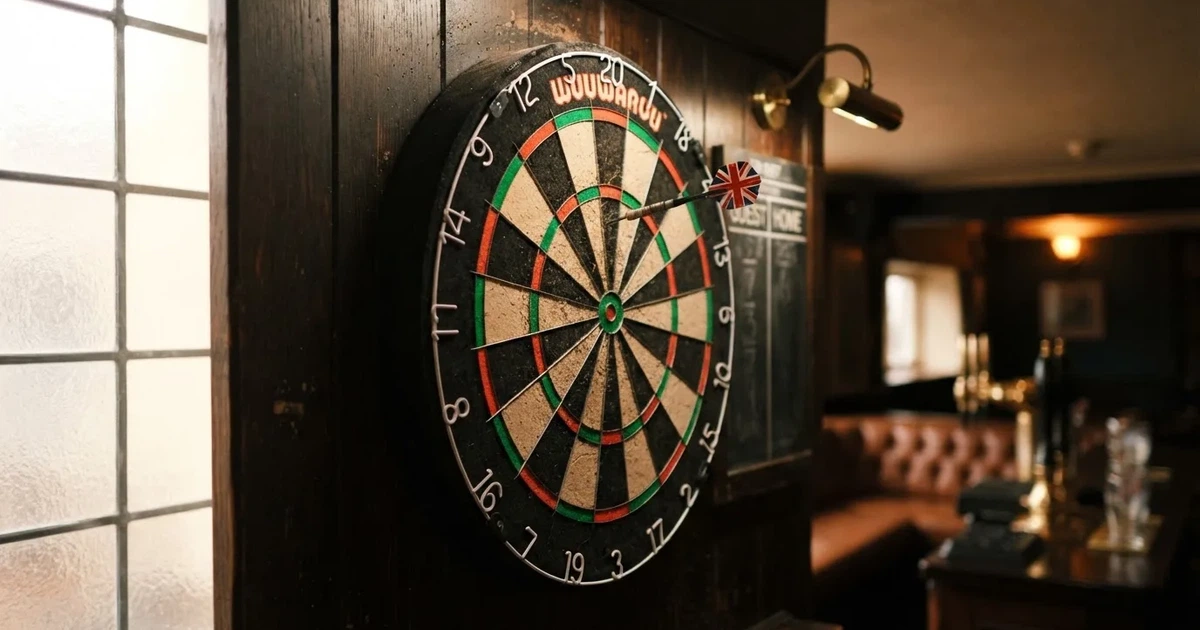
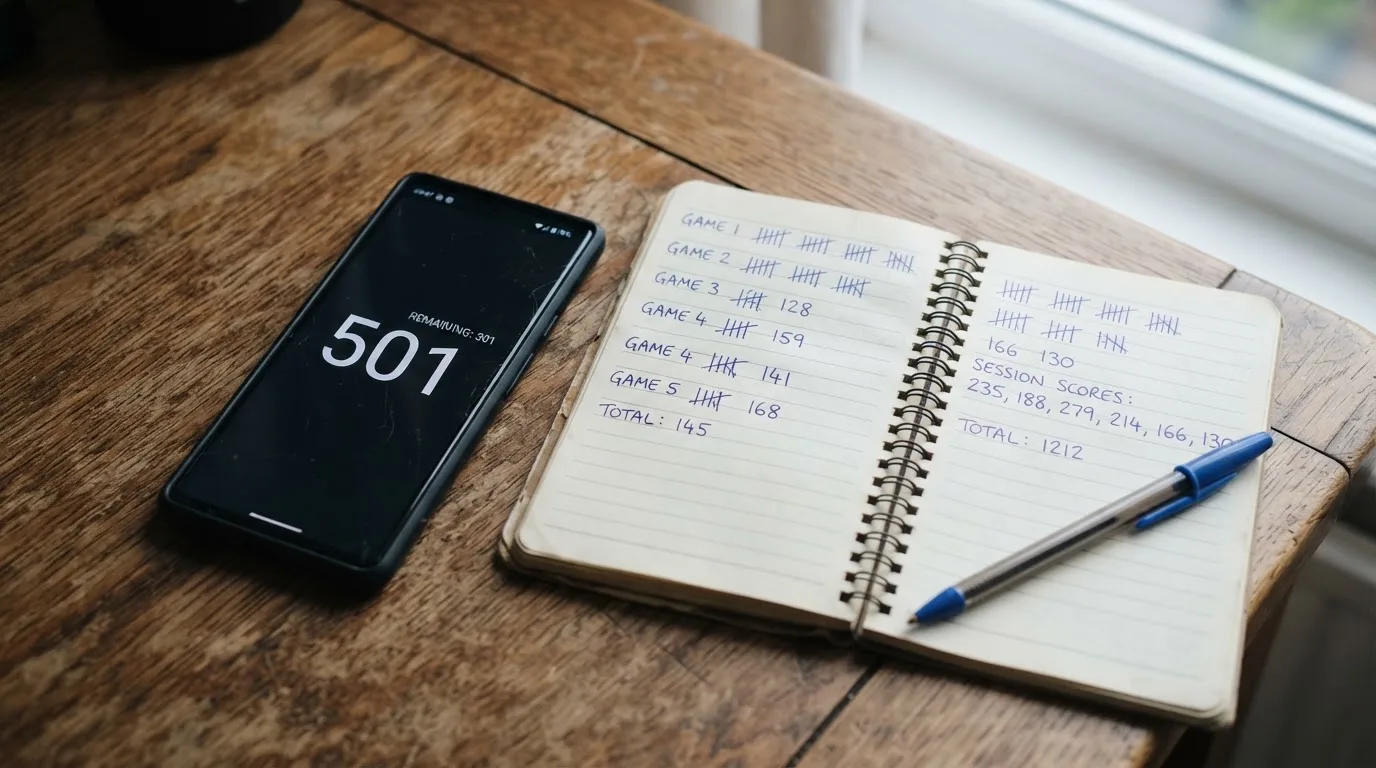
Darts is a small sport on the bookmaker’s site in one sense and a large one in another. The televised events run for most of the calendar year, the outright markets turn over weeks before a ball is thrown, and the in-play feed on a televised set updates every throw. That intensity sits oddly against the structure of the sport itself: 501 played to a finish on a double, a bullseye worth 50, a maximum checkout of 170 and a minimum leg of nine darts. The arithmetic is short. The pricing around it is anything but. What follows is what licensed British bookmakers do with that price, where the spread between firms comes from, and what it costs the punter to take any of it.
The legal frame: what a GB licence actually buys
Great Britain does not maintain a list of permitted sports or permitted markets. The Gambling Act 2005, read with the Gambling (Licensing and Advertising) Act 2014, requires any operator whose remote facilities are used in Great Britain to hold a Gambling Commission licence, wherever the operator is based. A Curaçao, Malta or Gibraltar registration alone is not enough; if the site accepts a customer in England, Scotland or Wales, it needs a Commission licence. Northern Ireland sits outside the 2005 Act and runs its own older framework, so the strict wording here is “Great Britain” or “GB-licensed”.
The Commission’s public register is searchable by business name, trading name, domain or account number, and it is the whole test of who holds a licence. Every detail used on the rest of this page — account numbers, licence categories, licence holders — comes from that register and from each operator’s own terms. Several of the names below share a single licence holder, which matters when one asks who is actually behind a brand: Ladbrokes and Coral are run by LC International, Paddy Power and Betfair by Flutter, and so on. They are not independent operators.
Identity is verified before the first deposit or bet at every GB-licensed site. Since 7 May 2019 a customer cannot place a free bet or claim a bonus until name, address and date of birth have been checked. There is no anonymous play on a licensed site, and that is the price of the protections the licence also brings: GAMSTOP, the affordability framework, dispute resolution, and the British complaints route. Those are real, and they are explained in the next section.
Player protection: what the GB framework actually does
Three pieces of the British framework shape what betting on darts looks like in practice.
GAMSTOP is the national multi-operator online self-exclusion scheme. It has been a licence condition for online operators since 31 March 2020. Self-exclusion runs for six months, one year, five years, or five years with automatic renewal; after the minimum period the exclusion stays in place for a further seven years unless the customer asks GAMSTOP to remove it. Every operator reviewed on this page is a GAMSTOP member. A separate service covers betting shops.
The financial vulnerability check came into force on 30 August 2024 under LCCP condition 3.4.4, with the current trigger applying since 28 February 2025. When a customer’s deposits minus withdrawals exceed £150 in any rolling 30-day window, the operator runs a public-record check (bankruptcy, county court judgments and the like). It is not an income check and it is not a credit reference check. The fuller financial risk assessments — the “affordability checks” reported in the press — were set out in a staged plan by the Commission in an article of 7 July 2026 with no start date. The wording that fits is “announced, staged, no start date”, not “in force”.
Deposit limits are an obligation on the operator under the Remote Technical Standards. The first set of changes has applied since 31 October 2025; a second phase was postponed to 30 September 2026. There is no state-set ceiling on deposits or losses in betting: what the operator offers is the customer’s choice, and what the operator must offer is a way to set one.
Help is available outside the operator: GamCare runs the National Gambling Helpline, GambleAware funds treatment and the NHS gambling clinics, and Gamblers Anonymous runs peer support. None of these is a substitute for the limit-setting tools inside any single account, and a customer who feels control slipping can use the in-account timeout or self-exclusion as the first move.
Bonuses and free bets: what the headline number hides
Every welcome offer on a British-licensed site carries the same shape: a stake the customer must place, a minimum price on that stake, a free bet or bonus paid back, and a deadline. The headline “£40 in free bets” or “100% up to £25” is the easy part; the conditions are where the cost lives.
The marketing rules in force since 19 January 2026 cap wagering requirements on bonuses at 10x the bonus. A £10 bonus at 50x wagering used to mean £500 of qualifying bets; under the cap, no more than £100 of qualifying bets. The cap does not stop a free bet from carrying its own minimum odds. The 50/1 shot on a £5 free bet is the obvious losing bet; the subtle one is the 1/2 shot on a five-fold that almost wins and almost returns nothing. Mixed-product promotions — an offer that demands a bet on football to release free spins, a sports bet to unlock bingo credit — are banned outright under the same rules. Whether the cap and the ban extend to a free bet with no wagering condition at all is not established; read the small print.
Free bet stake treatment is the single largest variable in the comparison. A free bet whose stake is not returned with a win is worth roughly its face value times (odds minus one) divided by the odds — a 3/1 free bet of £10 is worth about £7.50 on average, not £40. That is the average, not the promise, and the difference is what the promotional frame for “free” papers over.
Best Odds Guaranteed is a separate mechanism and worth understanding on its own terms. Where it applies on UK and Irish horse racing, the bookmaker pays the starting price if it is higher than the price taken at the time of the bet, on single and multiple bets from a stated time on the day of the race. It is not a free bet. It does not apply to ante-post, tote or pari-mutuel bets, and the extension to other sports is the operator’s choice. A BOG promotion on darts is rare; its presence on racing is a guide to how the operator thinks about price, not a darts offer in itself.
Live betting and cash out: how an in-play feed works on darts
Darts is unusually well suited to in-play betting. A televised set has a finite number of legs, each leg is a small number of throws, and the data feed updates in seconds. The price on the next leg, the next set, the next match, the highest checkout, and a 170-finish market all settle quickly enough to be priced and re-priced while the arrows are still in the board.
Cash out is the bookmaker’s offer to settle the bet before the event has finished, at a price the operator calculates. It is the operator’s price, not a market price, and the price on offer is not guaranteed to be a fair one. A cash out that is generous on the way up tends to be tight on the way down, and the spread between the two is one of the margins the bookmaker earns on a live event. Bet Builder features extend the same logic: a same-game multi on a darts match combines leg markets, checkout markets and match markets into one slip, with the operator pricing the combination as a whole. The combined price is higher than the simple multiplication of the singles, and the difference is the correlation margin.
In-play on a GB-licensed site is not “unrestricted” in any legal sense. The controls on it sit in the operator’s licence conditions and customer-protection duties, not in a statute about in-play. The Commission’s marketing rules around in-play (no targeting of problem gamblers, no implication that in-play is a route to easy money) bind the framing. The market itself is open, the conduct around it is regulated.
Predictions and strategy: what a tipster cannot know
The honest frame on darts betting tips is short. No tipster knows who will hit a 170 checkout under pressure, no model captures the variance of a deciding leg, and no preview reads the form of a player who has never played at the venue. What the preview can do is tell the reader who has the longer format on their side (Luke Littler in the longer rounds), who is in form on the board (check the 180s and the doubles on a televised event), and what the surface conditions are (a slower oche changes the rhythm of the visit). None of that is a forecast of an outcome.
Bankroll management is the part of “strategy” that does have a number attached. A flat unit — the same stake on every selection, around 1-2% of a declared bank — survives losing runs in a way that “double up to recover” does not. The point is not to win more, it is to stay in the game long enough for the edge (if any) to show. The edge on darts markets is thin: the margin is the bookmaker’s, and the reader pays it on every bet.
A betting exchange offers the other route: lay the favourite rather than back the outsider, and the price reflects the market’s view rather than the bookmaker’s. A spread betting account offers a third route, on Spreadex for example, where the price is not odds but a spread on the number of 180s, the number of legs, or the highest checkout, and the liability can be larger than the deposit. That is a regulated product with the FCA’s involvement on the financial side and the Commission’s on the fixed-odds side, and it carries its own risks.
Bet types and odds: how the price is built
The arithmetic behind a darts price is short. The bookmaker’s overround — the margin — sits inside every line. Take a two-way market priced at 1.90 and 1.90 in decimal terms (9/10 each in fractional). The payout share is 1 divided by the sum of the implied probabilities, that is 1 ÷ (1/1.90 + 1/1.90), which is 1 ÷ 1.0526, or roughly 95%. The margin is 1 minus the payout share, around 5%. Round a five-percent margin in either direction and the same picture holds: a bookmaker on a darts match winner keeps roughly five pence of every pound staked, on average, before any offer or promotion changes the calculation. State it as a band with its condition: a thin darts market can run at 3-4%, a televised head-to-head with a strong favourite can push past 8%, and the outright market on a major runs wider still because the field is longer. The five-percent number is an example, not a quoted price.
The same arithmetic turns into different prices on different markets. The match winner on a darts match is a two-way market with one favourite; the outright on the World Championship is a 128-runner field and the margin is a different number. The over/under on 180s in a match is a line, not a winner; the highest checkout market is a ladder; the correct-score market on a set is a long-priced novelty. The number the page can quote is the one the data carries, and most rows of most markets carry no number at all.
A combination bet — a double, a treble, an accumulator — multiplies the odds of the legs into one price. Three legs at 1.50, 1.80 and 2.00 give a combined price of 5.40 in decimal terms, with the stake returned only on a win. The margin on the combination is not the simple sum of the margins on the legs; it compounds, and a five-fold at small margins carries more bookmaker edge than the legs do on their own.
A bet builder on a darts match does something similar in a tighter frame: combine next-leg winner, 180s in the leg, and method of finish into one slip, and the operator prices the combination. The combined price is higher than the product of the singles, and the gap is the operator’s correlation margin. A bet builder is a same-game multi, and a same-game multi is an accumulator priced against itself.
The each-way bet applies to outrights and to a small set of other markets. Two bets of equal stake — one on the win, one on the place — at the place terms the operator publishes. The stake doubles, the place return is a fraction of the win odds, and the calculation belongs in the betting slip’s own table rather than on the page.
Sports and tournaments: the calendar a darts punter follows
The 2026 PDC World Darts Championship ran from 11 December 2025 to 3 January 2026 at Alexandra Palace, London, with 128 players, up from 96 the year before. Luke Littler beat Gian van Veen 7–1 in the final; the prize fund was £5,000,000, with £1,000,000 to the winner. The format moved up a gear at the business end: rounds 1 and 2 were first to 3 sets, rounds 3 and 4 first to 4, quarter-finals first to 5, semi-finals first to 6 and the final first to 7.
The PDC sits alongside the World Darts Federation as the highest governing body in the sport, and the World Championship is the headline event of the calendar. Around it sit the Premier League Darts, the World Matchplay, the World Grand Prix, the Grand Slam, the Players Championship Finals, the European Championship, and the steady stream of Players Championship events on the floor. The BDO is gone as a competitive body, the WDF runs the Lakeside World Championship and an international amateur calendar, and the women’s game runs through the WDF and the PDC Women’s Series.
For the punter, the calendar matters because the markets thin between majors. A televised major pulls every bookmaker onto every market: match winner, set score, total 180s, highest checkout, 170 finish, correct score in legs, and the outright from the early rounds. A floor event midweek pulls fewer firms and thinner prices, and the margin widens to compensate.
Ten GB-licensed bookmakers reviewed for darts
The table that follows is the comparison the rest of the page points to. The columns are the matters research actually covers for most rows: the Gambling Commission account, the licence holder named on the register, and what the operator’s own terms state on the subject most relevant to darts. Several brands share a single licensee — that is normal, and is shown on the register.
| Operator | Gambling Commission account | Licence holder | What the operator’s terms say on darts |
|---|---|---|---|
| LiveScore Bet | 56859 | LiveScore Betting and Gaming (Gibraltar) Limited | Bet Builder covers up to 10 selections across match result, both teams to score, corners, total goals, player scoring and cards |
| Star Sports | 9177 | Star Racing Limited | Customers can open an account, place bets and ask customer queries by phone on 08000 521 321 or by email at [email protected] |
| Kwiff | 44448 | Eaton Gate Gaming Limited | App carries a 17+ age rating and describes itself as a trademark operated by Spryme Ltd |
| Unibet | 45322 | Platinum Gaming Limited | States it has operated since 1999; sports welcome offer is “£40 in free bets when you bet £20” at minimum odds of 2.0 (1/1), free bets within 7 days, new GB customers using a debit card or instant bank transfer |
| Betboro | 44181 | Webmedia Development N.V. | Sports welcome offer is a 100% matched free bet up to £25, requiring a debit card deposit of at least £10 and a first bet of £5 to £25 with at least three selections each at 3/5 (1.60) or higher |
| Tote | 54779 | TDCO Limited | Pool betting operator under the Tote brand; racing-led, with the tote product sitting alongside fixed-odds markets on racing and other sports |
| Copybet | 53774 | Copybet UK Limited | Best Odds Guaranteed applies all day, every day on UK and Irish racing, and the operator pays first past the post on horse racing even if the winner is later disqualified |
| Betway | 39372 | Betway Limited | Free Bet Club gives up to £10 in free bets every week after opt-in; spending £25 or more on sports earns 2 x £5 free bets |
| Betfred | 39544 | Petfre (Gibraltar) Limited | The Betfred Sports, Casino & Games app is published by Done Brothers (Cash Betting) Ltd and covers 21 sports plus over 2,000 casino-style games |
| 888sport | 39028 | 888 UK Limited | Pre-match and in-play betting, Cash Out, Bet Builder, racing streams, BetFinder form tools, a live bet feed and daily boosted odds |
The spread of features across the ten is the spread a darts punter actually meets on a British-licensed site. One firm leans on a phone-based account opening and a personal trader; another runs a same-game multi and live boosted odds; a third is a pool-betting heritage brand; another is a casino-and-sports bundle. None of these is a darts specialism; the question is which one suits the way a particular punter bets on darts.
LiveScore Bet
LiveScore Bet is the betting product of the LiveScore group and runs on a Gibraltar-licensed structure. The Bet Builder covers up to 10 selections and extends across the typical football menu — match result, both teams to score, corners, total goals, player scoring, cards — and a similar combination product on darts sits alongside it. The page finds no darts-specific feature called out on the firm’s terms; the strength is the breadth of the in-play feed and the depth of the combination product on televised events. For a darts punter who wants to build a same-game multi on a televised set, this is one of the firmer options on the British-licensed list.
Star Sports
Star Sports runs a model that almost no other bookmaker on this list does. Customers can speak to a trader directly on 08000 521 321 to open an account, place bets or ask queries, and email support sits at [email protected]. The phone-based service is the product, and it is the reason a certain kind of punter stays with the firm year after year. The Commission’s register lists Star Racing Limited as the licence holder, and research carries no darts-specific feature list — write the subject qualitatively and check the firm’s own Wettprogramm before betting. This phone-based service appeals to a certain kind of darts fan, and for those content with a smaller in-play menu, it remains a distinct option on this list.
Kwiff
Kwiff’s app carries a 17+ App Store age rating and the operator describes itself as a trademark operated by Spryme Ltd. The headline feature of the brand is “supercharged” odds — the firm’s term for prices that move up, sometimes by a large multiple, after the bet is placed — and that mechanic shapes the darts offer more than the static line does. The firm’s own terms are the place to check the live-offer detail on a televised event. Kwiff provides a unique experience for the small-stake bettor, and it stands out on this list for that price-jump mechanic.
Unibet
Unibet has been in business since 1999 and runs its UK site under Platinum Gaming Limited, Gibraltar, with Gambling Commission account 45322. The sports welcome offer is the clearest on this list in its own terms: get £40 in free bets when you bet £20, on a deposit and sports bet of £20 or more at minimum odds of 2.0 (1/1), with free bets expiring within 7 days of issue, for new GB customers using a debit card or instant bank transfer. The free-bet value is roughly £40 × (2.0 − 1) ÷ 2.0 × 0.95, around £19 on average, with the usual caveat that the free-bet stake is not returned on a win. The seven-day window is the sting: a televised major and a quiet week fit comfortably, a packed calendar can chew through it. For a punter who wants a familiar brand with a deep in-play menu, Unibet is one of the firmer options on this list.
Betboro
Betboro’s UK welcome offer is the only one on this list that asks for a treble as the qualifying bet: a 100% matched free bet up to £25, requiring a debit card deposit of at least £10 and a first bet of £5 to £25 with at least three selections each at 3/5 (1.60) or higher. The treble requirement is the cost — a single at 1.60 is one match, a treble at three legs each at 1.60 is a 4.10 shot, and the probability of landing all three is meaningfully lower than the probability of landing one. The free bet on the other side carries the usual no-stake-returned treatment. For a punter who already has a treble in mind on the day’s darts card, the headline number is generous; for a punter who would otherwise place a single, the requirement is the point to read twice.
Tote
Tote sits on the register under TDCO Limited and runs a pool-betting heritage product alongside fixed-odds markets. Pool betting on horse racing is the brand’s natural ground, and the fixed-odds product on racing and other sports sits around it. The firm’s own focus is racing. For a punter whose interest in darts sits alongside an interest in pool betting, Tote is the brand on this list that runs that combination natively.
Copybet
Copybet’s standout feature is its Best Odds Guaranteed, which the firm states applies all day, every day on UK and Irish racing, and pays first past the post on horse racing even if the winner is later disqualified. Racing is the focus; the darts offer is the firm’s standard in-play and pre-match menu. For a punter who backs both horses and darts and wants the BOG mechanic on the racing side, Copybet is the brand on this list with the cleanest racing promise.
Betway
Betway’s Free Bet Club is the recurring promotion: up to £10 in free bets every week after opt-in, with spending £25 or more on sports earning 2 × £5 free bets. The mechanic is weekly rather than one-off, which makes the value calculation a different shape: a punter who places a £25 sports bet every week gets roughly £10 × (average price − 1) ÷ average price × 0.95 in free-bet value per week, with the actual price depending on what the punter backs. For a punter who bets regularly on darts across the televised calendar, the weekly cadence is what makes this offer interesting.
Betfred
Betfred’s app is published by Done Brothers (Cash Betting) Ltd and offers 21 sports plus over 2,000 casino-style games under one roof. The Petfre (Gibraltar) Limited licence sits behind the brand. The darts offer is part of the standard pre-match and in-play menu. For a punter who wants a sportsbook and casino product in the same wallet and is happy with a mainstream in-play feed, Betfred is the broadest bundle on this list.
888sport
888sport’s feature list is the longest on this page: pre-match and in-play betting, Cash Out, Bet Builder, racing streams, BetFinder form tools, a live bet feed and daily boosted odds. The licence holder is 888 UK Limited. The boosted-odds feed is the daily-touch point for a casual punter, the Bet Builder is the same-game-multi route on a televised darts set, and the racing streams are the side benefit on a busy sporting Saturday. For a punter who wants a single app that covers the everyday darts bet, the combination product, the live odds feed and the racing streams, 888sport is the broadest single proposition on this list.
What an offer on darts actually costs
The arithmetic of a darts welcome offer is short enough to be worth doing once. Take the Betboro example: a 100% matched free bet up to £25, qualifying bet £5-£25, three selections each at 3/5 (1.60) or higher. Assume the punter takes the maximum qualifying bet of £25, lands it (a treble at three legs each at 1.60 carries a combined price of about 4.10 and a probability around 24%), and gets a £25 free bet in return.
The free bet is not returned with a win. At an average price around 3.0 on the free bet, the average value is £25 × (3.0 − 1) ÷ 3.0 × 0.95, roughly £15.80. The qualifying bet of £25 at a combined price of 4.10, with the stake returned on a win, pays about £102.50 on a win, of which £77.50 is profit; the expected profit over many bets at a margin of roughly 5% is around £25 × (1/0.95 − 1), or about £1.25 lost. The net to the punter, across many attempts, is the £15.80 average free-bet value minus the £1.25 expected loss on the qualifying bet, around £14.50.
That is the upper bound on the headline. The lower bound is the punter who loses the qualifying treble (around 76% of attempts at the price given) and gets nothing. The headline “up to £25” reads “£25 if you win the qualifying bet, around £15 of value if you do”. The “free” is anything but.
An overview of darts betting itself
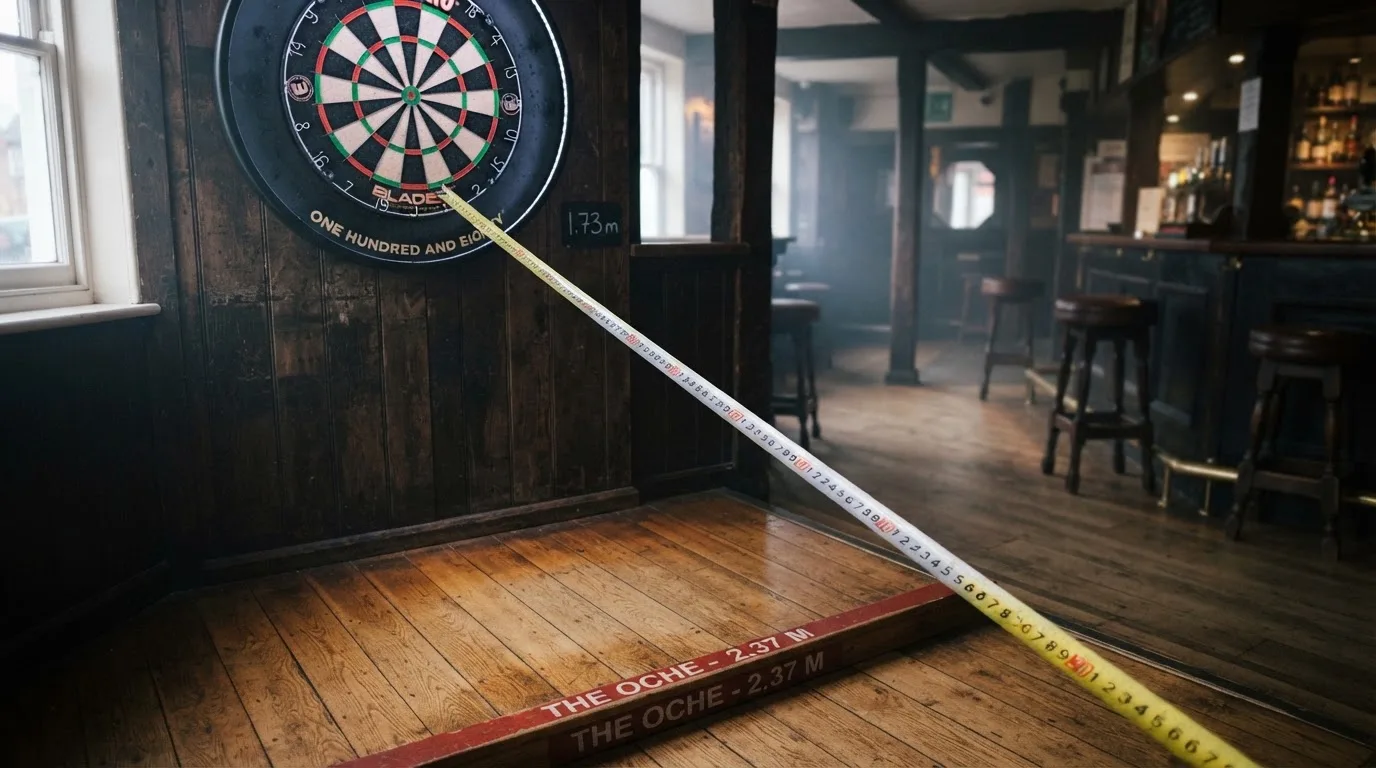
The sport is short and the pricing is dense, which is its own kind of invitation. A standard dartboard has 20 numbered segments, each with single, double and treble areas; the bullseye is worth 50 and the outer bull 25. In 501 darts players start at 501 and must finish on a double or the bullseye; the highest possible three-dart finish is 170 and the minimum possible leg is nine darts. The standard throw distance is 2.37 m (7 ft 9 in) and the bullseye sits 1.73 m above the floor.
The markets a British punter meets on a televised set fall into a few families. Match winner: a two-way market, two players, a price on each. Set score: a multi-way market on the correct set score (3-0, 3-1, 3-2, and so on). Total 180s: an over/under line on the number of maximums across the match. Highest checkout: a ladder market on the highest finish in the match. 170 finish: a yes/no market on a player hitting the maximum checkout. Correct score in legs: a long-priced novelty on the exact leg score of the match. Outright winner: a multi-runner market on the tournament winner, available weeks in advance on the majors.
The price of each market carries its own margin. The match winner is usually the tightest (a thin darts market can run at 3-4%, a televised head-to-head with a strong favourite can push past 8%). The outright is wider because the field is longer. The novelty markets are wider still, because the bookmaker has less data and the punter has less certainty. Every number on the page is an average over many bets, and the punter pays the margin on every bet they place.
A note on payments and the rest of the practical frame
Credit cards have been banned for gambling in Great Britain since 14 April 2020, including credit-card-funded payments through an e-wallet; debit cards and bank-based payments are not covered by that ban. Identity is verified before the first deposit at every GB-licensed site, so there is no anonymous play and there is no route around the GAMSTOP exclusion. No specific British rule covers a named account for withdrawals, a state list of permitted payment methods, or cryptocurrency deposits at licensed operators — check each operator’s own terms before depositing.
On tax, the player pays no tax on betting winnings in Great Britain; a professional gambler should ask HMRC or an adviser. General Betting Duty is the operator’s tax on gross profits, currently 15%, with a remote rate moving to 25% from 1 April 2027 within it on most remote bets (remote bets on UK horse racing, self-service betting terminals in licensed premises, pool betting and in-person betting stay at 15%). Whether operators pass duty through to the punter in the odds is not established, and never write that the player is charged duty. The Commission’s statutory levy is a separate charge, not a tax.
A note on the offshore route
The unlicensed site that accepts a customer in Great Britain without a Commission licence commits an offence under section 33 of the Gambling Act 2005 — aimed at the operator, not the customer. The customer on such a site loses the protections the licence brings: no GAMSTOP coverage, no Commission complaints route, no approved dispute-resolution body, no British consumer redress if funds are withheld, and no coverage by the 10x bonus cap or the £150 vulnerability check. Enforcement against unlicensed sites is disruption, not blocking: cease-and-desist notices, search-engine referrals, work with registrars, hosts and payment providers, with court-order DNS blocking powers given or about to be given to the Commission. Never write that ISP blocking is in operation, and never call the offshore route “legal to use”.
Frequently asked questions about darts betting odds
How does betting on darts work?
A punter backs one of two outcomes on a darts match — the winner, a set score, a 180s line, a highest checkout — at a price the bookmaker sets. The price carries the bookmaker’s margin, the stake is the punter’s risk, and the return on a win is the stake times the decimal price (the stake and the winnings, with the stake returned on a win). The bet settles when the match settles, and the cash out option lets the punter close the bet early at a price the operator calculates.
What is darts betting in practice?
It is betting on televised and floor darts events through a bookmaker’s site or app, with markets for the match winner, the set score, the total 180s, the highest checkout, a 170 finish and the outright tournament winner. The 2026 PDC World Darts Championship at Alexandra Palace ran 11 December 2025 to 3 January 2026 with 128 players, a £5,000,000 prize fund and a £1,000,000 winner’s cheque; the Premier League, the World Matchplay, the World Grand Prix, the Grand Slam and the Players Championship events make up the rest of the calendar.
How does handicap betting on darts work?
A handicap gives one player a fictional leg or set lead before the match starts. A price of 1.90 on the favourite minus 1.5 sets means the favourite must win by two sets or more for the bet to land; a price of 1.90 on the outsider plus 1.5 sets means the outsider must win the match or lose by exactly one set. The handicap shifts the two-way price towards the favourite or the outsider and creates a market where the simple match winner price would be too short on one side and too long on the other.
How can a punter check that a bookmaker holds a Gambling Commission licence?
The Commission’s public register is searchable by business name, trading name, domain or account number. A punter types the firm’s name or domain into the register, checks the account number, the licence category and the licence holder, and reads the conditions attached to the licence. A licence that is not on the register is not a GB licence, whatever the firm’s marketing says. Every operator reviewed on this page appears on the register, with the account numbers shown in the comparison table.
How is the return on a bet worked out from the stake and the odds?
The return on a winning bet is the stake multiplied by the decimal odds (the stake plus the winnings, with the stake returned on a win). A £10 stake at decimal odds of 3.75 returns £37.50, of which £27.50 is profit. A £10 stake at fractional odds of 5/1 returns £60 (£50 profit plus the £10 stake). On a combination bet the odds of the legs multiply into one price, and the return is the stake times that combined price.
What is the bookmaker’s margin and how can it be seen in the odds?
The margin is what the bookmaker keeps of every pound staked on a market, on average. The payout share is 1 divided by the sum of the implied probabilities of all outcomes (each outcome’s implied probability is 1 divided by its decimal odds). On a two-way market priced at 1.90 and 1.90 the payout share is 1 ÷ (1/1.90 + 1/1.90), around 95%, and the margin is 1 minus that, around 5%. The wider the spread between the implied probabilities and 100%, the bigger the bookmaker’s margin; the tighter the spread, the smaller it is. State it as a band, not a single number, because the margin varies market to market and event to event.
Tennis, darts & cue sports – Accumulator
Content created by the «Accumulator» team
