
How to Build a Chess Bet That Actually Beats the Margin
 Available in US
Current as of 26 October 2026 and checked against the Gambling Commission’s public register of remote operating licences.

Chess is unusual among the sports a bookmaker quotes. The result is a triple, not a binary. White can win, Black can win, and a draw is recorded as half a point to either side — the line on a bookmaker’s site runs 1–0, ½–½ and 0–1, and the draw is the third column rather than a rare curiosity. That three-way structure, the long time control of classical events and the rolling calendar of elite tournaments mean the odds on a chess market carry the bookmaker’s margin in a way a 1X2 football line does not capture it. A guide for the bettor who wants to do more than guess starts there: with how a price is built, what a value bet is, and how a single match market actually settles.
This is a guide, not a tip sheet. No player, match or move is called as a winning pick. The work below explains what a prediction is built from, what costs the bettor has to absorb before any of it pays, and which bookmakers on the British market serve the sport without burying the conditions that govern an offer. The verdict on each operator is in the ranking; the verdict on the sport is in the arithmetic.
The legal frame for a chess bet in Great Britain
A bookmaker serving customers in Great Britain needs a Gambling Commission licence wherever the company itself is based — that has been the rule since the Gambling (Licensing and Advertising) Act 2014, and it covers remote betting the same way it covers a counter in a betting shop. A Curaçao, Maltese or Gibraltar licence does not stand in for one. Before a customer can deposit, place a bet or use a bonus, the operator checks name, address and date of birth (that has been a Commission condition since 7 May 2019). No anonymous play exists at a licensed site.
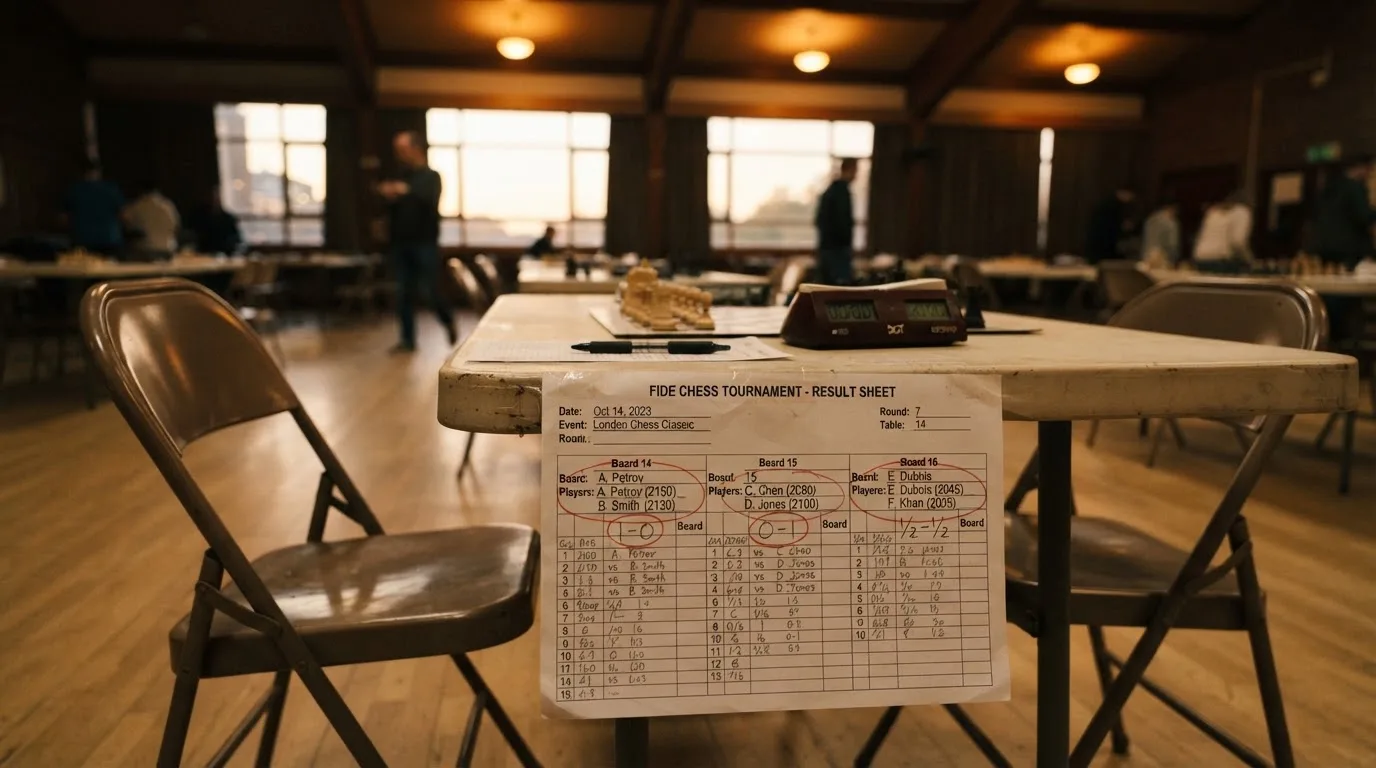
The Commission’s public register is searchable by business name, trading name, domain or account number, and it is the test of whether a brand holds a licence. Quote no count of how many brands are on it without the access date — the register changes, and a number without a date is a number a reader cannot verify. Every brand featured later in this guide is on it as of the date at the top of the page; that is the whole meaning of “licensed” as this page uses the word.
The category of licence matters for what a bookmaker can offer. A remote general betting standard (real events) licence is what covers chess and the rest of the sportsbook; a remote betting intermediary licence is what a betting exchange runs on. Several consumer-facing brands can share one licence holder — Ladbrokes and Coral under LC International Limited, Paddy Power and Betfair under PPB Counterparty Services Limited — so the brand on the screen and the company named on the register are not always the same string of words. A reader checking a licence looks up the company name, not the trading name.
Northern Ireland is outside the Gambling Act 2005 and runs on its own older law. A GB-licensed bookmaker will not necessarily take a customer from Northern Ireland; the brand’s own terms page is where that is settled, and it is settled there, not on this page. Financial spread betting is regulated by the Financial Conduct Authority rather than the Commission, and the FCA’s regime is the reason a spread betting firm states that losses can exceed the deposit.
The credit-card ban for gambling (in force since 14 April 2020, LCCP condition 6.1.2) covers credit cards and credit-card-funded payments through an e-wallet. Debit cards and bank-based payments are not inside that ban. The promotion rules in force since 19 January 2026 cap wagering requirements on bonuses at 10x and ban mixed-product promotions that ask the customer to gamble on two or more product types to clear one offer. Both rules are part of what the Commission’s Licence Conditions and Codes of Practice actually require, and both shape what a free-bet token looks like when it lands in a customer account.
The bettor pays no tax on winnings in Great Britain. General Betting Duty is the operator’s tax on gross profits, currently 15%; a remote betting rate of 25% applies within that duty from 1 April 2027, while remote bets on UK horse racing and several other categories stay at 15%. Whether the operator passes duty on through the odds is not established, and a page that tells the reader it does is guessing. General information, not tax advice; a professional gambler speaks to HMRC or an adviser.
The honest framing of an unlicensed site is straightforward: the bettor loses GAMSTOP coverage, the Commission’s complaints route, an approved dispute-resolution body and British consumer redress if funds are withheld, and is not protected by the bonus cap or the vulnerability check. A bettor is not committing an offence by using such a site; the offence is the operator’s, under section 33 of the Gambling Act 2005. Neither side is “the safe choice” by default — a licensed site comes with identity checks before the first bet, and an unlicensed one comes with none of the protections.
Safeguards the bettor can actually use
GAMSTOP is the national multi-operator online self-exclusion scheme and a mandatory licence condition for online operators since 31 March 2020. Exclusion periods are six months, one year, five years, or five years with auto-renewal. After the minimum period the exclusion stays in place for a further seven years unless the customer asks GAMSTOP to remove it. GAMSTOP covers online sites and apps; betting shops run a separate service. Every GB-licensed online operator takes part.

A financial vulnerability check (LCCP condition 3.4.4, in force since 30 August 2024) applies to licensed remote betting when a customer’s deposits minus withdrawals cross £150 in a rolling 30-day window, since 28 February 2025. It is a public-record check — county court judgments, bankruptcy and the like — and not an income check, not a credit reference check, and not the “affordability check” the press describes. Those financial risk assessments are announced in a staged format (Commission article of 7 July 2026) with no start date, so the right way to describe the state of play is “announced, staged, no start date”. A page that calls them “in force” is wrong by a year or more.
Deposit limits are a customer-set tool, not a state-set ceiling. Operators must offer a gross deposit limit on a fixed time frame under RTS 12; the first changes have applied since 31 October 2025 and a second phase was postponed to 30 September 2026, with whether it is live not established here. The help lines are GamCare (with the National Gambling Helpline), GambleAware, NHS gambling clinics and Gamblers Anonymous. Safer-gambling pages at the bookmakers link to these, and a customer who wants the support starts there too. The bookmaker’s own deposit-limit tool, reality check and self-exclusion button are the daily version of the same idea and are worth setting before the first deposit rather than after the first bad week.
Identity verification before the first deposit, the £150 vulnerability check, GAMSTOP and a 10x cap on bonus wagering together describe what a licensed site costs the customer in friction. That friction is the price of the protections. Skipping it by going offshore skips the protections with it.
The chess betting app and what it does well
A chess betting app is, in practice, a sportsbook app with a chess tab. The market depth at smaller firms is thin — match winner, sometimes a 1X2 line that includes the draw, occasionally a tournament-winner futures market ahead of a Candidates or a World Championship cycle. The big firms add a bet builder, in-play pricing and a cash-out button; the rest run on a smaller selection settled pre-match. None of this is unique to the sport — the same column of features shows on the football tab — but chess-specific work, where it exists, is in the futures markets and the long-cycle tournament outrights.
The touchscreen is where most bets actually get placed, and the practical difference between an app and a mobile browser is the speed of the bet slip and the reach of the in-play queue. A browser is fine for placing a futures bet the day before a round; an app is the better tool for an in-play move because the price on a chess market can shift move-by-move at a fast time control and the bettor is racing a clock rather than reading a line.
The age-rating on the App Store and the equivalent on Google Play is the reader’s first sanity check that the brand has actually been through a British vetting process for listing. A 17+ or 18+ rating reflects the operator’s stated policy of customers aged 18 or over, and that is the threshold the licence sets. Some apps combine casino, lottery betting, sports betting and scratchcards under one listing, which is fine as a product offering and is its own thing to read before opting in: a sportsbook welcome offer does not always extend to casino play, and the terms state where each promotion applies.
A native app downloaded from a British storefront beats a sideloaded APK for the simple reason that the storefront is the gatekeeper an attacker has to beat. Sideloaded installers from links in a text message are not the way a bettor installs a bookmaker’s app; the brand’s own site redirects to the storefront, and that is the route taken. The licence covers the product either way; the storefront adds an audit on top of it.
A bookmaker’s mobile site and its app share the same account and the same odds — there is no “app-only” price. The difference is in the speed of the bet slip, the visibility of the in-play tab, and whether the bettor has the live-stream tile they want on the home screen. None of those differences changes the price; all of them change how a price is reached.
Live betting on chess and where it is genuinely useful
In-play betting on chess is real but narrower than in-play betting on football or tennis. The markets most operators price live are match result (the three-way line), the next-game winner on a multi-game match, and at some firms total games in a series. The pace of a classical game limits how often a price is refreshed: a 90-minute time control with a 30-second increment means the move clock runs slower than the operator’s price refresh, so the price on a live chess market moves by move, not by second. At a rapid or blitz time control the refresh is fast enough to feel like a tennis line.
Cash out is a feature, not a price. It is the bookmaker offering to buy back the bettor’s position at a price the bookmaker itself sets, and the price reflects the bookmaker’s margin on the new line rather than the live state of the match. Used well it locks in a winner on an accumulator where one leg is going wrong; used badly it is a fee for closing a position the bettor could have waited out. The point of cash out is what it costs the bettor at the moment it is taken, not what it pays on average.
Live streaming of chess is rare. A bookmaker streams football, horse racing and tennis because those are the sports a customer wants to watch while a bet is in flight; chess is mostly followed by an engine evaluation overlay rather than a camera on the board, and most firms do not run a stream. A few operators list a board-rendering view in their in-play tab, and that is the closest a chess in-play page comes to a stream.
The cost of an in-play bet is the same as the cost of a pre-match bet at the same price. The marketing word “live” suggests an edge; the edge, when it exists, is that the bettor has seen more of the match than the line has priced in. The bookmaker’s margin is the same in both halves of the bettor’s screen.
Building a prediction without inventing one
A prediction is built from three things: form, statistics and line-ups, and then re-priced against what the bookmaker’s line already says. Form is the player’s recent results at the same time control and in the same tournament tier — a player’s classical rating is a poor guide to their rapid form and vice versa. Statistics are head-to-head records at the same colour (White or Black), the player’s score with each colour across a tournament cycle, and any structural pattern in their results against a particular opponent’s style. Line-ups are about who turns up rested, who is playing through injury or travel fatigue, and who has a stake in the tournament beyond the prize fund (a rating norm, a place in the next Candidates cycle, a sponsorship goal).
A value bet is a price above the true probability once the bookmaker’s margin is taken out. The arithmetic of finding one starts with the bettor’s estimate of the probability of each outcome, and ends with comparing that estimate against the price. A £10 stake at decimal odds of 3.00 implies a 33.3% chance for the bettor; if the bettor’s model says the chance is 40%, the price is value. If the model says 30%, the price is a loss the bettor is choosing to take.
No tip is ever certain. The 1–0, ½–½ and 0–1 result is a single game’s outcome, and a single game is what a tip is actually picking. A bettor’s model has an error bar wider than they would like, and the bookmaker’s margin is on top of that error bar. A tip that looks certain is a tip whose uncertainty has been hidden, and the bettor who acts on it loses the margin as well as the match.
Bankroll discipline is what survives a bad week. The staking rule that holds up is a small percentage of the bank per bet (1–3% depending on how the bettor reads their own edge), a separate bank from any other gambling money, and a record of every bet placed and settled so the bettor can audit their own closing line value over a sample of several hundred bets. A tip sheet is what the bettor reads; the staking plan is what they bet with.
Betting is no income. The bookmaker’s margin is on every market, the bettor’s edge is small when it exists at all, and the variance around that edge means a losing month is more common than a winning one across a calendar year. Anyone advertising a system that “wins” is selling certainty that does not exist.
How chess markets are priced and settled
A chess match is settled on the result of the final game of the regulation period. A 1–0, ½–½ or 0–1 line settles on that result, and a game ended by resignation is recorded as a win for the player who did not resign. A game ended by stalemate, by agreement, by claim of threefold repetition or by the fifty-move rule is drawn — since 2014 fivefold repetition and a 75-move rule end the game automatically, and those are the FIDE rules the bookmaker’s terms reference. A tournament-winner futures market is settled on the player who wins the tournament, not the player who wins the most games, and a play-off counts as part of the tournament for settlement.
An accumulator is several selections whose odds multiply into one price. A treble at odds of 2.00, 3.00 and 4.00 carries combined odds of 24.00, and a £10 stake returns £240 if all three win. The price compounds because the bookmaker’s margin compounds with it; a four-leg accumulator is wider than the sum of its legs, but the edge of a price boost or acca insurance is narrower than it looks. Cash out is the bookmaker buying back the bettor’s position on an accumulator at a price that reflects the new line’s margin; it is rarely the best price the bettor could get by waiting.
Each-way betting, more common in horse racing, splits a stake into two equal bets: one on the player to win and one on the player to place. In chess the place terms are not standard; some firms offer each-way on a tournament outright at 1/2 or 1/3 odds with a defined number of places, others do not offer each-way at all. The bookmaker’s own terms page is where the place terms sit, and a bettor placing an each-way chess bet reads those before the bet is confirmed.
A bet builder or same-game multi lets the bettor combine several markets on the same match — match result, total games, method of victory — into one accumulator. The legs multiply into a single price, the margin is taken out of each leg’s price, and a winning bet pays all the legs together. A bet builder with one leg is a single; with two it is a double; the tool exists because a customer wants it, not because it is cheaper than two singles.
Free bets are settled with the stake not returned, and the bettor’s profit is the winnings net of the free-bet value. A £30 free bet at odds of 5.00 pays £120 in profit (the £30 is not paid back). A free bet with a minimum price floor (1/2, 1/1, evens) restricts where the bettor can place it, and a free bet with a maximum price ceiling (50/1 is common) caps the upside. The expiry on a free bet is the date the token dies, and most firms give seven days from credit. A free bet that expires un-used is a free bet that never paid out.
A price boost or boosted odds is the bookmaker raising the price of one selection for a defined window; the boost is a marketing spend, not a value call from the bookmaker’s trader. An acca insurance refunds a stake as a free bet when one leg of an accumulator lets the bettor down, usually with conditions on the number of legs, the minimum odds of the accumulator and the size of the refund. The insurance is a hedge against the variance of a long-odds bet, and its cost is the boost the rest of the price would have carried.
Tournaments, fixtures and where chess actually fits on a sportsbook
The chess calendar is built around FIDE-sanctioned events. The World Chess Championship sits at the top of the cycle, with the Candidates Tournament deciding the challenger. Below that sit the Grand Prix series, the Grand Chess Tour rapid and blitz events, national championships and the open tournament circuit. Most bookmakers price match winner and tournament outright on the headline events; fewer price the open circuit, and almost none price club-level or rapid-weekend events the way they price a Premier League weekend. A bettor looking for a chess market finds it on the headline fixtures and finds little off the front page.
The cycle matters because the long-form tournaments are where the futures markets sit. A tournament outright opens weeks before the first move, and the price moves with the field and the form. The same fixture closer to the event is priced tighter, and the value, where it exists, is earlier in the cycle. A bettor reading a chess market knows which week of the cycle they are in.
The candidates cycle is the most concentrated futures opportunity. The Candidates field is small, the format is a round-robin, and the price on each player reflects the field’s strength more than any single match. The same dynamic sits on the Grand Chess Tour events, where a small field means a small number of outright lines and a wider margin on each.
The bookmaker’s schedule lists chess among other sports, and a reader checking a brand’s Wettprogramm finds it under the sport tab. The depth varies by brand: a firm whose market-makers follow chess closely prices the match winner, the tournament outright, total games in a series, and sometimes a handicap line on the games. A firm that treats chess as a niche prices match winner only.
A reader who wants chess at a depth beyond match winner checks the brand’s sportsbook before signing up, because the depth is what the brand decides to staff, and the depth is rarely the headline that gets the firm onto a shortlist.
The licensed bookmakers on the British market, ranked and reviewed
The ten brands below all hold a Gambling Commission remote licence for general betting standard (real events) and are on the Commission’s public register as of the date at the top of the page. None of them is the only licensed brand; the British market has more licensed bookmakers than can be reviewed on any single page. The ranking reflects which brands serve chess well, not which brands are safe (they all are, by licence), and the verdict on each is the page’s own judgement of where the brand fits a chess bettor.
The columns of the comparison table below carry what a reader needs to compare the brands: the licence number and the licence-holder company (so the register can be checked), and what the brand’s own terms state on the subject at the centre of this guide — namely what an operator’s own site says about welcome offers, free-bet terms, in-play coverage and safer-gambling tools. No column is added that research does not back; no row is repeated under a different name.
| Brand | Licence and licence holder | What the operator’s own terms state |
|---|---|---|
| Betboro | Gambling Commission remote licence 044181-R-324363-007 (account 44181); licence holder Webmedia Development N.V. | In-play markets and cash-out on football, racing and tennis; boosted odds on selected singles from £10 stakes; safer-gambling tools including deposit limits, reality checks and self-exclusion. |
| Hollywoodbets | Gambling Commission remote licence 053028-R-330019-013 (account 53028); licence holder Hollywoodbets International UK Limited. | Sports welcome offer for new players who deposit £10 or more by card, returning the stake as a free bet of up to £30 on the first qualifying losing accumulator (stake £10+, 3+ legs, odds 4/1 or greater, settled within 7 days); one free bet per customer. |
| 888sport | Gambling Commission remote licence 039028-R-319297-014 (account 39028); licence holder 888 UK Limited. | Pre-match and in-play betting, Cash Out, Bet Builder, racing streams, BetFinder form tools, a live bet feed and daily boosted odds. |
| Sky Bet | Gambling Commission remote licence 067370-R-341330-005 (account 67370); licence holder SBG Sports Limited. | Welcome offer of £30 in free bets, credited as three £10 free-bet tokens after a deposit of at least £5 and a first single or each-way bet of at least 5p at odds of 1/1 or greater. |
| Swifty Sports | Gambling Commission remote licence 058957-R-334734-006 (account 58957); licence holder Swifty Global (UK) Ltd. | Best Odds Guaranteed, Cash Out on markets including horse racing and football, daily price boosts, live streaming and in-play betting; Bet Builder listed as coming soon. |
| Ladbrokes | Gambling Commission remote licence 054743-R-330863-014 (account 54743); licence holder LC International Limited. | Odds boosts on horse and greyhound bets, Best Odds Guaranteed on UK and Irish horse races, in-play betting and Acca Boosts. |
| DAZN Bet | Gambling Commission remote licence 048756-R-327274-019 (account 48756); licence holder DZBT Limited. | Deposits from £5 by debit card, Apple Pay, Paysafecard, Trustly and Skrill, and from £20 by PayPal, with no processing fees. |
| Betfair | Gambling Commission remote licence 039439-R-319330-013 (account 39439); licence holder PPB Counterparty Services Limited. | In-play betting, Bet Builder, free live streaming of events such as UK and Irish horse racing and football within the app, and a 90 Minute Payout market. |
| QuinnBet | Gambling Commission remote licence 061011-R-335683-004 (account 61011); licence holder QuinnBet (Gibraltar) Limited. | Free bets valid for 7 days from credit on any market at odds of 1/2 (1.5) or greater, with maximum odds of 50/1; straight accumulators allowed, Trixies, Patents and Yankees not. |
| William Hill | Gambling Commission remote licence 039225-R-319373-015 (account 39225); licence holder WHG (International) Limited. | Best Odds Guaranteed on UK and Irish horse racing from 8 AM on the day of the race, on both single and multiple bets; does not apply to ante-post, tote or pari-mutuel bets. |
Betboro
The bookmaker is the simplest of the licensed set on this page: in-play and cash-out on the headline sports, boosted odds from £10 stakes, and the safer-gambling tools the licence requires. Chess markets sit on the sportsbook alongside football and tennis, and the depth on chess is match winner and tournament outright on the headline cycles. The bookmaker does not run a separate chess product page the way the bigger brands run a football product page, and a reader chasing the deepest chess line moves on.
The licence is held by Webmedia Development N.V., a Curaçao-incorporated company that runs the UK-licensed site under a Commission account of 44181. The brand’s own site states the standard safer-gambling tools: deposit limits, reality checks and self-exclusion. The boosted-odds offer applies from a £10 stake on selected singles, which is a lower threshold than several of the bigger brands; the bettor with a smaller bank finds the entry point easier. Betboro offers a straightforward sportsbook for the casual chess bettor, though it lacks the advanced market depth found at the industry giants.
Hollywoodbets
The sports welcome offer is the centrepiece of the Hollywoodbets pitch: a stake-back as a free bet of up to £30 on a first qualifying losing accumulator, with the conditions a serious accumulator reader has to clear — £10 deposit by card, accumulator stake of £10 or more, three or more legs, minimum odds of 4/1, settled within seven days, one free bet per customer. The £30 ceiling on the free bet is a hard ceiling; an accumulator at longer odds that loses by a small margin returns the stake up to £30, not the full stake.
The licence is held by Hollywoodbets International UK Limited, a Commission account of 53028. The brand’s UK site carries the sportsbook and the safer-gambling tools the licence requires; the depth on chess is the same match winner and tournament outright that other brands run. The free-bet ceiling is the condition to read carefully, and a reader with a larger intended first-stake finds the cap the binding limit. The verdict is a useful first-deposit offer for a bettor who already plans a three-leg accumulator; a bettor looking for a straight-win free bet looks elsewhere.
888sport
The features list is the longest among the licensed brands on this page: pre-match and in-play, Cash Out, Bet Builder, racing streams, BetFinder form tools, a live bet feed and daily boosted odds. The depth on chess is broader than the smaller firms — match winner, tournament outright and a futures line on the headline cycles. The bet builder works on football and tennis as well as on chess where the firm has priced the sub-markets.
The licence is held by 888 UK Limited, a Commission account of 39028. The brand is one of the longer-established gaming companies on the British market and carries a recognisable safer-gambling page with the standard tools. The racing streams are a horse-racing feature, not a chess one, and the reader does not confuse the two. 888sport remains a reliable choice for the all-round bettor, especially for those prioritizing feature-rich in-play options over niche chess-specific handicap markets.
Sky Bet
The welcome offer is a £30 free-bet package credited as three £10 tokens, gated on a deposit of at least £5 and a first single or each-way bet of at least 5p at minimum odds of 1/1. The 5p minimum stake is a low threshold and a quirk that surprises readers who expect a £5 or £10 qualifying stake; the odds floor of 1/1 is the binding condition, and a first bet at shorter odds does not unlock the free bets.
The licence is held by SBG Sports Limited, a Commission account of 67370. The brand is the sportsbook arm of a larger UK-facing gaming group and runs a deep sportsbook across football, tennis and the headline chess cycles. The bet builder is part of the sportsbook, the in-play queue is among the deeper ones on the British market, and the safer-gambling page carries the standard tools. Sky Bet is our top recommendation for the bettor seeking an accessible free-bet package with low entry stakes, provided they adhere strictly to the 1/1 odds requirement.
Swifty Sports
The sportsbook carries Best Odds Guaranteed, Cash Out on horse racing and football, daily price boosts, live streaming and in-play betting; Bet Builder is listed as coming soon. The “coming soon” on the bet builder is the one feature a reader chasing a same-game multi checks first, because a bet builder that is not yet live is a tool the bettor cannot use yet.
The licence is held by Swifty Global (UK) Ltd, a Commission account of 58957. The brand is newer to the British market than the long-established firms and pitches itself on a cleaner interface and tighter pricing on the headline sports; the depth on chess is match winner and tournament outright. Swifty Sports is a solid contender for those prioritizing price boosts like Best Odds Guaranteed, even if the chess product itself is still developing its feature set.
Ladbrokes
The headline features are odds boosts on horse and greyhound bets, Best Odds Guaranteed on UK and Irish horse races, in-play betting and Acca Boosts. The Acca Boosts are a marketing spend on accumulators across the sportsbook and apply to football and tennis more than to chess; the Best Odds Guaranteed is a horse-racing feature and does not extend to chess markets.
The licence is held by LC International Limited, a Commission account of 54743, and the brand shares the licence holder with Coral — the two trading names sit under one company on the Commission’s register. The sportsbook depth is broad and the safer-gambling page is a longer-established one than most of the firms on this page. Ladbrokes excels for the traditional sports bettor, but those focusing primarily on chess might find the offering limited compared to their deep football and racing coverage.
DAZN Bet
The deposits start at £5 by debit card, Apple Pay, Paysafecard, Trustly and Skrill, and at £20 by PayPal, with no processing fees on any of the methods. The lower threshold on most methods than on PayPal is the practical difference a bettor feels at the first deposit, and the no-processing-fee line is welcome where it is welcome.
The licence is held by DZBT Limited, a Commission account of 48756. The brand is a sportsbook extension of a streaming service, and the depth on chess is match winner and tournament outright on the headline cycles. The safer-gambling page carries the standard tools. DAZN Bet offers a streamlined experience ideal for those valuing quick and varied deposit methods, though the chess depth is standard rather than expansive.
Betfair
The features are in-play betting, Bet Builder, free live streaming of events such as UK and Irish horse racing and football within the app, and a 90 Minute Payout market. The 90 Minute Payout market is a settlement product on football (a bet on a goal scored in the 90th minute settles as a win regardless of the actual match result), and the brand does not run an equivalent on chess.
The licence is held by PPB Counterparty Services Limited, a Commission account of 39439, and the brand shares the licence holder with Paddy Power — the two trading names sit under one company on the register. The Betfair Exchange is a separate betting intermediary licence held by the same group and is not the same product as the Betfair Sportsbook; the exchange is for back-and-lay trading between customers, the sportsbook is a standard bookmaker. Betfair provides a unique dual-product approach, making it an excellent match for the strategic bettor who utilizes both sportsbook betting and exchange trading tools.
QuinnBet
The free-bet terms are the most specific of the brands on this page: tokens are valid for 7 days from credit on any market at odds of 1/2 (1.5) or greater, with maximum odds of 50/1; straight accumulators are allowed but Trixies, Patents and Yankees are not. The ceiling on odds of 50/1 caps the upside on a free bet, and the ban on the named combination bets removes several system bets the bettor might otherwise use the token on.
The licence is held by QuinnBet (Gibraltar) Limited, a Commission account of 61011. The sportsbook is mid-sized and provides coverage of major tournament outrights alongside standard match-winner markets. The safer-gambling page carries the standard tools. The verdict is a pick for a bettor who reads the free-bet terms carefully and accepts the 50/1 ceiling; a bettor who wants to use a free-bet token on a long-odds accumulator looks elsewhere.
William Hill
Best Odds Guaranteed on UK and Irish horse racing from 8 AM on the day of the race, on both single and multiple bets; the rule does not apply to ante-post, tote or pari-mutuel bets. The Best Odds Guaranteed is a horse-racing feature and the chess sportsbook sits on the same account but on a different margin.
The licence is held by WHG (International) Limited, a Commission account of 39225. The brand is the longest-established of the firms on this page and carries one of the broader sportsbooks on the British market; the chess offering is the basic line. The safer-gambling page is a long-established one with the standard tools and the help-line links. The verdict is a pick for a bettor who wants a long-established brand with a deep racing sportsbook and is happy with the standard chess depth.
What the bookmaker’s margin actually looks like
The margin is the cut the bookmaker keeps of every unit bet on a market, and it sits inside every price the bettor sees. On a two-way market with decimal odds of 1.90 / 1.90 (fractional 9/10 on each side) the implied probabilities are 1 ÷ 1.90 and 1 ÷ 1.90, which are 52.6% and 52.6% — together 105.3%, a 5.3-point total that is the bookmaker’s margin. The bettor’s payout share is the other 94.7%. Stated as a band rather than a single figure, because a real market’s margin moves event by event and bookmaker by bookmaker: a typical pre-match football 1X2 line carries 5–8%, a tennis match-winner line sits in the same band, and a chess match-winner line tends toward the higher end because the three-way draw inflates the overround.
The practical read is that a chess bettor has to win at a rate higher than the price’s implied probability by more than the margin, every time, for the staking plan to come out ahead. A £10 stake at decimal odds of 1.90 returns £19 if the bet wins, of which £9 is profit; the bettor’s expected value at a true 50/50 outcome is £9 × 0.5 − £10 × 0.5 = −£0.50, which is the margin in monetary form. The same arithmetic is true at any odds: the margin is the bettor’s structural cost before any skill is added.
A three-way chess line at odds of, say, 2.20 (White) / 3.40 (draw) / 3.00 (Black) carries implied probabilities of 45.5% + 29.4% + 33.3% = 108.2%, an 8.2-point margin. The draw line is where the margin shows most clearly, because the bookmaker’s price on the draw is the line a chess bettor reads most carefully. The wider the margin, the more a value bet has to beat it; the narrower the margin, the more a small edge compounds.
The margin is not a fee on a winning bet. It is built into the price, and the bettor pays it on every bet — winning or losing. The price the bettor sees is the price the bookmaker wants the bettor to take, and the cost the bettor pays is the margin the price carries. The arithmetic is the same on every market, and the arithmetic is what a tip sheet hides when it calls a price “great odds”.
Where chess sits on the British betting market
The British betting market is the deepest regulated sports-betting market in the world by the count of licensed operators, and chess is a niche within it. The headline sports — football, horse racing, tennis — carry the depth, the in-play coverage and the marketing spend; chess is on the sportsbook, priced as a market-maker line, and the depth depends on whether the firm has a trader following the sport. A reader looking at a sportsbook’s chess tab sees match winner on a headline fixture, tournament outright on the headline cycle, and little more; the bet builder, the handicap games and the method-of-victory markets are at the deeper firms.
The long-form tournaments are where the chess market sits. A Candidates cycle, a Grand Chess Tour rapid event, a national championship final — those are the fixtures the bookmaker prices and the bettor has a calendar to plan against. The weekly open circuit is rarely priced, and a reader chasing weekly events looks at the firms whose market-makers follow the sport closely.
The reading list for a chess bettor is the FIDE Handbook and the live broadcast of the headline events, neither of which is a tip sheet. The Handbook is the rule book that settles the bets — the stalemate rule, the threefold repetition rule, the fifty-move rule, the 75-move rule that ends the game automatically since 2014. The broadcast is the form guide, the head-to-head record, the colour record and the time-control form. No tip sheet is a substitute for either, and no tip sheet is a substitute for the price the bettor is asked to take.
The maths that decides whether a tip is value
A tip is value when the bettor’s estimated probability is higher than the price’s implied probability, by more than the margin the market carries. A £10 stake at decimal odds of 3.00 implies a 33.3% chance; a bettor’s model that says 40% is a value tip. A bettor’s model that says 30% is a price the bettor is paying the bookmaker to take.
The stake multiplies by the odds to give the return, and the stake times (odds minus one) gives the net profit. A £10 stake at odds of 5.00 returns £50, of which £40 is profit. A £10 accumulator with two legs at 2.50 and 3.00 has combined odds of 7.50 and returns £75, of which £65 is profit, and the margin compounds with the legs.
The arithmetic of a free bet is the same minus the stake. A £30 free bet at odds of 5.00 pays £120 in profit because the £30 is not paid back; a £30 free bet at odds of 2.00 pays £30 in profit. The price floor on a free bet (1/2, 1/1, evens) restricts where the token is placed, and the price ceiling (50/1 is common) caps the upside. A free bet at the floor price on a 50/1 ceiling is the widest band the bookmaker allows, and the bettor reads the terms before placing the token.
The arithmetic of a welcome offer is the offer minus the cost of clearing it. A £30 free-bet package at 1/1 minimum odds returns £30 in profit on a successful £10 bet, and the cost of the qualifying bet is the £10 stake and the margin on the 1/1 line. A stake-back-as-free-bet welcome offer returns the stake up to the ceiling as a free bet when the first qualifying bet loses; the cost is the qualifying bet’s stake and margin, and the upside is the free-bet token on the next bet. Both are arithmetic the bettor does before signing up, not after.
Staking and the bankroll
A staking plan is what survives a losing week. A flat 1–3% of the bank per bet is the band most staking plans sit in, depending on how the bettor reads their own edge. A level-stake plan (the same stake on every bet) is what most readers start with; a proportional plan (a percentage of the bank on every bet) is what survives a drawdown because the stake shrinks with the bank.
The bank is the bankroll, separated from any other gambling money. A bettor who mixes the betting bank with the casino bankroll has no audit trail and no clean record of where the bank went. A separate account, a separate bookmaker balance and a spreadsheet of every bet placed and settled are the bones of a staking plan that holds up over a sample of several hundred bets.
The record is what tells the bettor whether their edge exists. Closing line value (the price the bettor took versus the price the market settled at) is the audit on closing-line-value-aware tip sheets; yield (the bettor’s profit divided by total stakes) is the audit on the staking plan. Both are numbers the bettor calculates themselves over their own sample, and both are honest when the sample is large enough to mean something.
A losing month is more common than a winning one across a calendar year, and a staking plan that cannot absorb a losing month is a staking plan that does not survive a year. The point of a bankroll is the buffer it provides against variance, and the buffer is the bettor’s friend.
The chess bettor’s working rules
A bettor who reads the sport reads the calendar before the price. The World Chess Championship cycle is the spine of the chess year; the Candidates Tournament decides the challenger; the Grand Chess Tour events run the rapid and blitz calendar; the national championships sit in the off-season. A reader chasing a futures market knows which week of the cycle they are in, because the price moves with the field and the form.
A bettor who reads the bookmaker reads the licence first, then the terms. A licensed bookmaker is a Commission-licensed bookmaker, and the Commission’s public register is the whole test. The terms state where each promotion applies, what the minimum odds are, what the maximum stake is and what the expiry is on each token. The terms are the contract the bettor signs by placing the bet, and the terms are read before the bet is confirmed, not after.
A bettor who reads the odds reads the margin. The margin is the cut the bookmaker keeps of every unit bet on the market, and the price the bettor sees carries it. A 5–8% margin is typical; a chess line sits toward the higher end. The arithmetic of the price is the arithmetic the bettor does, and the arithmetic is what a tip sheet hides when it calls a price “great odds”.
A bettor who reads their own edge reads their own record. The closing line value is the audit on the tip sheet; the yield is the audit on the staking plan. A record over several hundred bets is the smallest sample that means anything, and a record that does not exist is a record that says nothing.
Frequently Asked Questions
Where can a chess bet be placed in Great Britain?
Any bookmaker holding a Gambling Commission remote licence for general betting standard (real events) is permitted to offer chess markets, and ten of those firms are reviewed above. The Commission’s public register is searchable by business name, trading name, domain or account number, and the licence number on this page can be checked there. A bettor who wants a deeper chess line looks at the firms whose market-makers follow the sport closely; a bettor who wants a broad sportsbook with chess on it finds match winner and tournament outright on the headline cycles at most licensed firms.
Can a chess bet be placed in Great Britain?
Yes, at any GB-licensed bookmaker offering chess on its sportsbook. Identity verification (name, address, date of birth) is required before the first deposit, since 7 May 2019; the credit-card ban for gambling (since 14 April 2020) covers credit cards and credit-card-funded payments through an e-wallet. The minimum age is 18. A bet on chess is treated like a bet on any other sport at a licensed site; no sport-specific prohibition or cap exists.
How is a chess bet actually placed?
A £10 stake at decimal odds of 3.00 on Magnus Carlsen to win the next Candidates Tournament returns £30 if Carlsen wins (net profit £20), nothing if he does not. The bet is placed on the bookmaker’s sportsbook under the chess tab, on the tournament-outright market, and the bet settles when the tournament finishes. A bet builder combines several markets on the same match into one accumulator; an accumulator combines several matches into one bet; cash out is the bookmaker buying back the bettor’s position at a price the bookmaker sets.
What is a value bet, and why is no tip ever certain?
A value bet is a price above the true probability once the bookmaker’s margin is taken out. No tip is certain because the bookmaker’s margin sits on every market and the bettor’s edge is small when it exists at all. A 1–0, ½–½ or 0–1 result is a single game’s outcome, and a single game is what a tip actually picks. The variance around that edge means a losing month is more common than a winning one across a calendar year.
What is the bookmaker’s margin, and how does it show in the odds?
The margin is the cut the bookmaker keeps of every unit bet on a market. On a two-way market at decimal odds of 1.90 / 1.90 the implied probabilities are 52.6% and 52.6%, together 105.3%, a 5.3-point margin. The bettor’s payout share is the other 94.7%. The wider the margin, the more a value bet has to beat it. A chess match-winner line tends toward the higher end of the 5–8% typical band because the three-way draw inflates the overround.
How is the return on a bet worked out from the stake and the odds?
Return = stake × odds; net profit = stake × (odds − 1). A £10 stake at decimal odds of 5.00 returns £50, of which £40 is profit. A £10 accumulator with two legs at 2.50 and 3.00 has combined odds of 7.50 and returns £75, of which £65 is profit. The margin is built into the price and is paid on every bet, winning or losing; the arithmetic is the same on every market and is the bettor’s structural cost before any skill is added.
The chess bettor’s checklist
A bet on chess is a bet on a single game’s outcome, settled on the result of the regulation period, paid at the price the bookmaker set when the bet was placed. The bookmaker’s licence is on the Commission’s public register. The terms are on the bookmaker’s own site. The margin is in the price, and the arithmetic is what the tip sheet hides. The record is the bettor’s own, kept on a spreadsheet, audited over several hundred bets.
The page above is a guide, not a tip sheet. No player, match or move is called as a winning pick. The work above explains what a prediction is built from, what a value bet is, what the bookmaker’s margin is, and what it costs the bettor before any of it pays. The verdict on each operator is in the ranking; the verdict on the sport is in the arithmetic.
Tennis, darts & cue sports – Accumulator
Content created by the «Accumulator» team
